When it comes to medical education, really understanding the complexity of the human brain is absolutely essential. That's where the 'Anatomy Brain Model' comes in — it's incredibly helpful for both students and teachers. It gives a hands-on way to see and feel the detailed structures and functions of the brain, making everything a lot clearer. As we take a closer look at this model, it's pretty obvious just how important it is for really getting a grip on neurological topics. Plus, it shows off how technological advances are making medical training more engaging and effective.
Leading the charge with this kind of innovation is Henan Qianyue Teaching Instrument and Equipment Co., Ltd., a well-known name in China’s medical product scene. They focus on designing and exporting top-quality medical gear and educational models. Over time, they've earned a solid reputation for coming up with cutting-edge solutions that really make a difference. Their dedication to quality and innovation means tools like the Anatomy Brain Model are built to high standards—perfect for teaching and learning.
All in all, the way this model is crafted really highlights how Hands-On Learning can boost students’ understanding of tough medical topics. As we dig into what makes this model special, we’ll see how it’s used in different educational settings and the important role companies like Henan Qianyue play in pushing medical education forward worldwide.
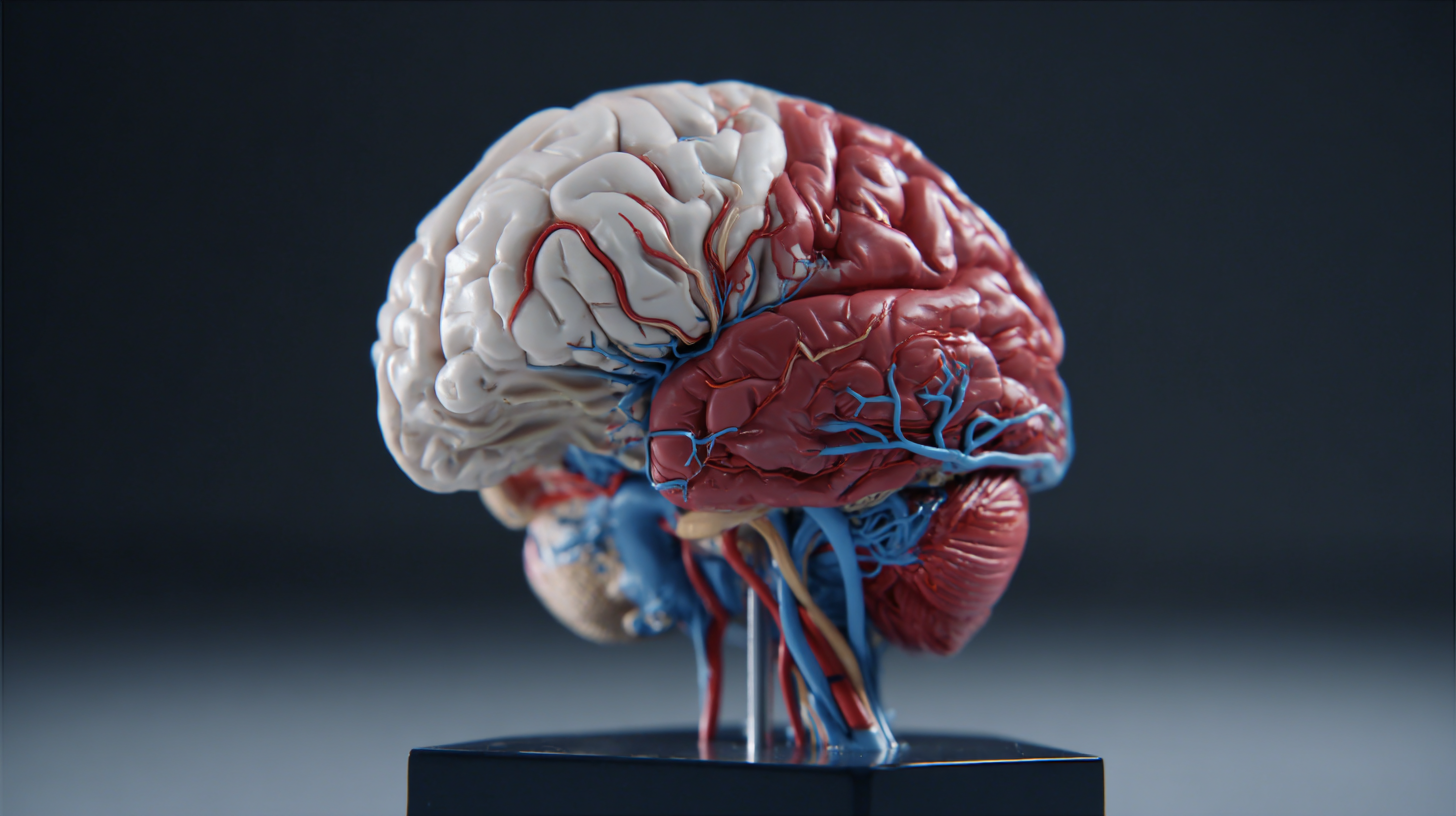
Understanding the Basic Structure of the Brain Model
Understanding the brain's basic structure is essential for anyone interested in the complexities of human cognition and behavior. The brain can be divided into several key regions, each with specific functions that contribute to our overall mental processes. The major parts include the cerebrum, responsible for higher functions like thought and action; the cerebellum, which coordinates movement; and the brainstem, controlling basic life functions. This intricate design allows for seamless communication between different areas, enabling us to think, feel, and react to our environment.
**Tips for Exploring Brain Anatomy:**
- Start with diagrams: Visual representations can help you grasp the physical locations and relationships of brain structures.
- Use models: Interactive brain models or 3D apps can provide a hands-on approach to learning, allowing you to explore functions in a relatable way.
- Focus on one area at a time: Breaking down your study into smaller sections can prevent overwhelm and help deepen your understanding of each component's role.
By examining these structures closely, you'll gain insight into how our brains process information and how different regions impact our thoughts and behaviors. Understanding this foundation prepares you to delve deeper into the more complex functionalities of the brain.
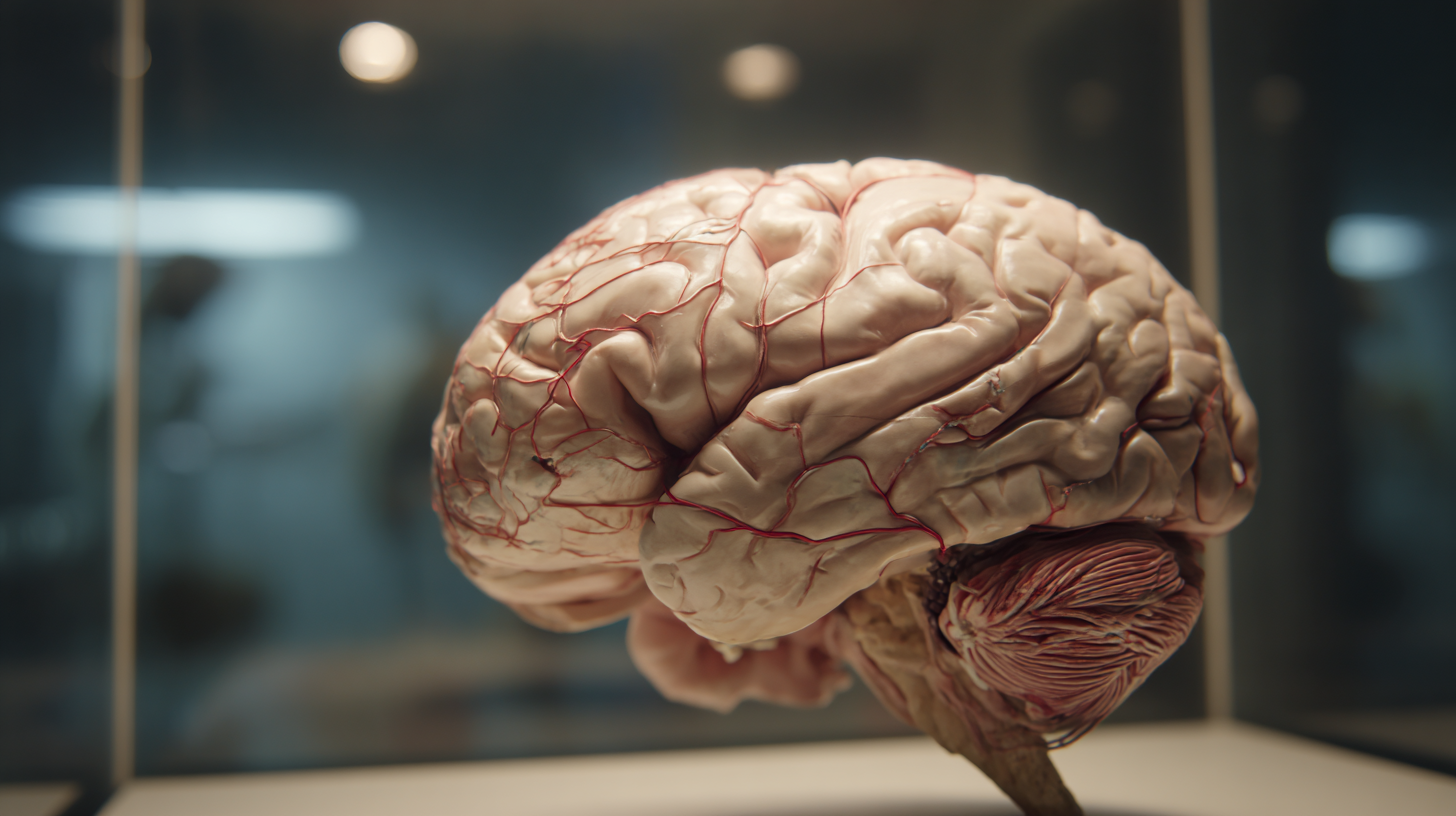
Key Functions of Different Brain Regions Explained
The human brain is a complex organ composed of various regions, each with distinct functions that contribute to our overall cognitive abilities. The frontal lobe, for example, is responsible for executive functions such as decision-making, problem-solving, and control of behavior. According to a report by the National Institutes of Health (NIH), disruptions in the frontal lobe can lead to severe impairments in judgment and social interactions, highlighting its critical role in our daily lives.
Another key region is the parietal lobe, which processes sensory information and is integral to spatial awareness. Research published in the Journal of Neuroscience indicates that the parietal lobe aids in integrating sensory input from various modalities, enabling us to navigate our environment effectively. Additionally, the occipital lobe, located at the back of the brain, is primarily responsible for visual processing. It allows us to interpret and make sense of what we see, playing a vital role in our ability to interact with the world around us.
**Tips:** To enhance brain health, engage in regular physical exercise, which has been linked to improved cognitive function. Incorporate brain-training games into your daily routine to stimulate different regions and maintain neural plasticity. Lastly, ensure you get adequate sleep, as it is crucial for memory consolidation and overall brain function.
How Neurons Communicate Within the Brain Network
The human brain is a marvel of biological engineering, featuring a complex network of neurons that communicate through intricate pathways. Understanding this communication is key to unlocking the mysteries of the mind. Neurons, the fundamental units of the brain, transmit signals through electrical impulses and neurotransmitter release, facilitating everything from simple reflexes to advanced cognitive functions. The anatomy brain model serves as a crucial educational tool, visualizing these processes and helping learners grasp the complexities of neuronal interaction.
At Henan Qianyue Teaching Instrument and Equipment Co., Ltd., we recognize the importance of high-quality educational models in the study of anatomy. Our commitment to excellence ensures that students and professionals alike can explore the detailed structures of the brain and understand how neurons operate within this fascinating network. By providing robust and cutting-edge solutions, we empower educators to enhance their teaching methods and help students develop a profound understanding of brain function and connectivity. With our products, the journey into the intricacies of the human mind becomes more accessible and engaging.
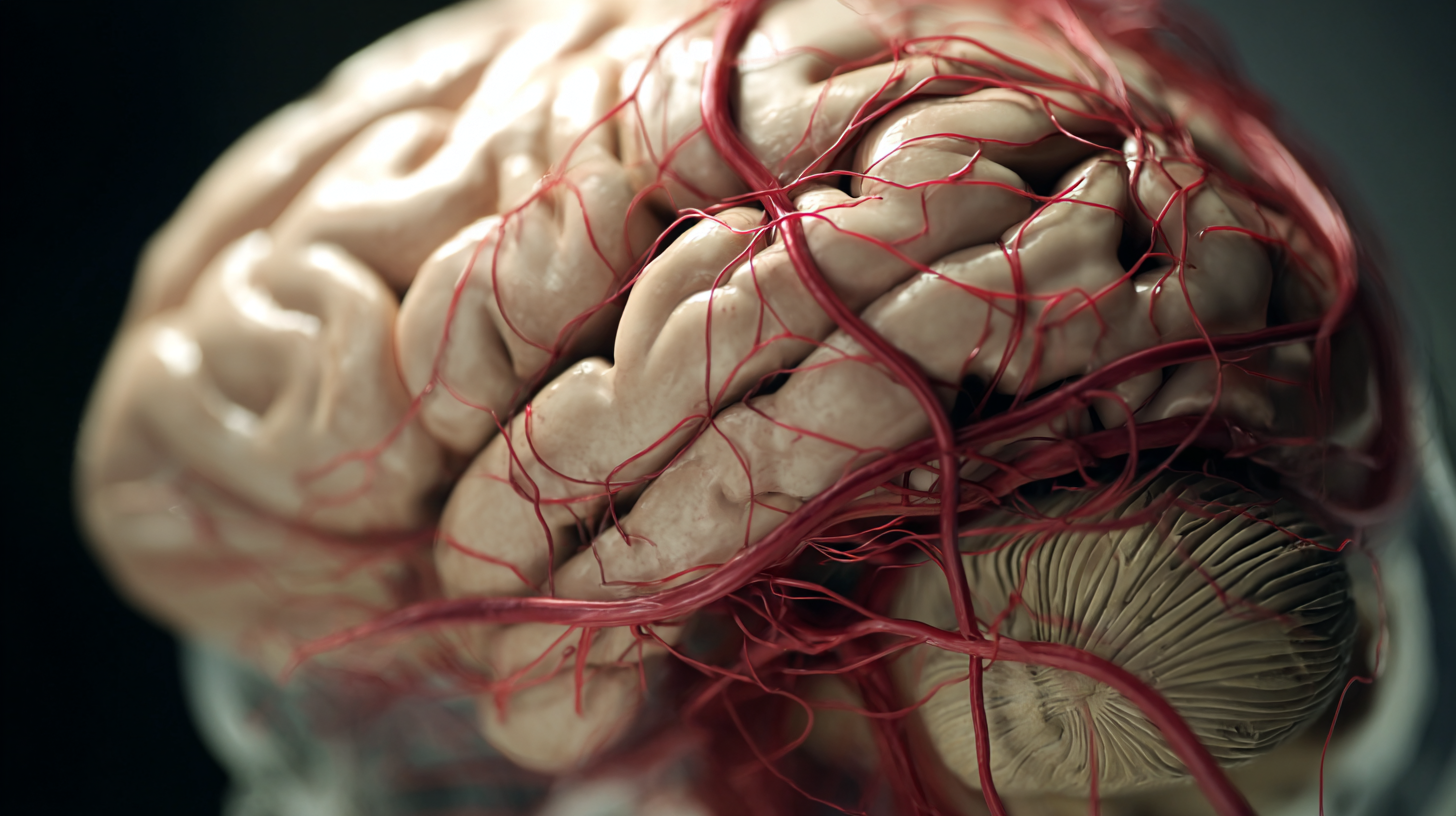
Exploring the Role of Neurotransmitters in Brain Function
Neurotransmitters are critical chemical messengers that facilitate communication between neurons in the brain, playing a pivotal role in various cognitive functions and behaviors. According to a report by the National Institute of Mental Health, imbalances in neurotransmitter levels have been linked to mental health disorders, such as depression, anxiety, and schizophrenia. For instance, serotonin, often referred to as the "feel-good" neurotransmitter, is directly associated with mood regulation. Research indicates that approximately 90% of serotonin is produced in the gut, illustrating the intricate connection between our gastrointestinal system and brain function.
Dopamine, another key neurotransmitter, is essential for motivation and reward pathways. A study published in the Journal of Neuroscience found that individuals with lower dopamine receptor density in the brain were more prone to addictive behaviors. This underscores the importance of dopamine not just in pleasure but in driving goal-directed behavior. Additionally, glutamate and gamma-aminobutyric acid (GABA) are crucial in modulating excitatory and inhibitory signals in the brain, balancing our responses to external stimuli. Current neuroscience research continues to explore the complex interactions between these neurotransmitters, providing deeper insights into their roles in our daily functioning and overall mental health.
Visualizing Mental Processes Through the Anatomy Model
The exploration of mental processes through an anatomy brain model provides a unique insight into how our cognition and emotions interplay within the complex architecture of the brain. According to the National Institute of Mental Health, approximately 1 in 5 adults in the U.S. live with a mental illness, highlighting the necessity for better understanding of how psychological states manifest physically in the brain. By visualizing structures such as the amygdala, which regulates emotions, and the prefrontal cortex, responsible for decision-making, we can demystify the underlying mechanisms that influence our thoughts and behaviors.
Recent studies reveal that brain imaging techniques, like fMRI and PET scans, offer a window into real-time brain activity, correlating specific tasks with the activation of particular brain regions. For instance, research published in "Nature Neuroscience" indicates that the hippocampus plays a crucial role in memory formation, engaging distinct neural pathways during different types of recollection. By leveraging these visualizations, educators and mental health professionals can enhance their understanding of the brain's functions, providing tailored approaches to therapy and cognitive enhancement. This intricate mapping not only enriches our grasp of mental processes but also underscores the importance of neuroeducation in promoting mental wellness.
Practical Applications of the Brain Model in Everyday Life
The brain model serves as a valuable tool for understanding the complex workings of our minds and applying this knowledge in everyday life. By visualizing brain structures and their functions, we can gain insights into how different areas of the brain influence our thoughts, emotions, and behaviors. For instance, learning about the role of the prefrontal cortex in decision-making can help us make more informed choices by increasing our awareness of cognitive biases and emotional triggers.
Practical applications of the brain model extend to various aspects of daily life, including mental health, education, and personal development. Understanding the neurobiological basis of stress and anxiety can empower individuals to adopt effective coping strategies, such as mindfulness and cognitive restructuring. In educational settings, teachers can utilize information about memory processes to develop better teaching methods that promote retention and engagement. Furthermore, individuals seeking personal growth can apply insights from the brain model to cultivate habits that enhance brain health, like regular exercise and mental stimulation, ultimately leading to a more balanced and fulfilling life.
FAQS
: The major parts of the brain include the cerebrum, responsible for higher functions like thought and action; the cerebellum, which coordinates movement; and the brainstem, controlling basic life functions.
You can effectively learn about brain anatomy by using diagrams for visual understanding, interactive models or 3D apps for hands-on learning, and focusing on one area at a time to deepen your understanding without feeling overwhelmed.
Neurotransmitters are critical chemical messengers that facilitate communication between neurons and are pivotal in various cognitive functions and behaviors. They play significant roles in mood regulation, motivation, and response to stimuli.
Serotonin, known as the "feel-good" neurotransmitter, is directly associated with mood regulation. Imbalances in serotonin levels have been linked to mental health disorders like depression and anxiety.
Dopamine is essential for motivation and reward pathways. Lower dopamine receptor density in the brain is associated with a higher tendency for addictive behaviors, indicating its role in pleasure and goal-directed behavior.
Glutamate and gamma-aminobutyric acid (GABA) are crucial for modulating excitatory and inhibitory signals in the brain, helping to balance our responses to external stimuli and maintain overall brain function.
Approximately 90% of serotonin is produced in the gut, highlighting the complex connection between the gastrointestinal system and brain function.
Understanding brain structure is essential for grasping the complexities of human cognition and behavior, and it facilitates deeper exploration into the brain's more complex functionalities.
Conclusion
The article "Exploring the Intricacies of the Anatomy Brain Model: A Guide to Understanding Your Mind" delves into the fundamental structure of the Anatomy Brain Model, highlighting the key functions of different brain regions and the intricate communication networks formed by neurons. It emphasizes the importance of neurotransmitters in facilitating brain functions and provides insights into visualizing mental processes through this model. Furthermore, practical applications of the Anatomy Brain Model in everyday life are explored, showcasing how understanding the brain can enhance our daily experiences.
As a leader in the medical product industry, Henan Qianyue Teaching Instrument and Equipment Co., Ltd. offers high-quality educational models, including the Anatomy Brain Model, which serves as an essential tool for both educational and practical applications. This commitment to delivering cutting-edge solutions underscores the company's role in fostering a deeper understanding of the brain and its functions in various contexts.