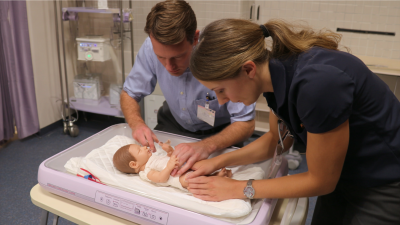
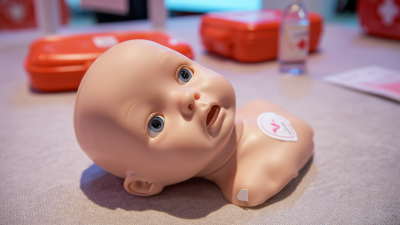
Lately, people are really starting to see just how important 'Baby Models' are when it comes to early childhood development. Honestly, the research shows that these early visual experiences and interactions with baby models can have a big impact on a child's cognitive and social skills — basically laying down the building blocks for their future learning. The American Academy of Pediatrics even says that engaging with models and educational tools like these can boost a kid’s observation skills and help them understand emotions better, which is so crucial in those early years. On that note, Henan Qianyue Teaching Instrument and Equipment Co., Ltd. — a real leader in China’s medical product scene — is doing some amazing work. They manufacture top-notch Educational Models that are super useful for making sure children get the support they need to grow and develop properly. By offering innovative solutions, this company helps create learning environments where these baby models really make a difference, setting kids up for healthier, brighter futures down the line.
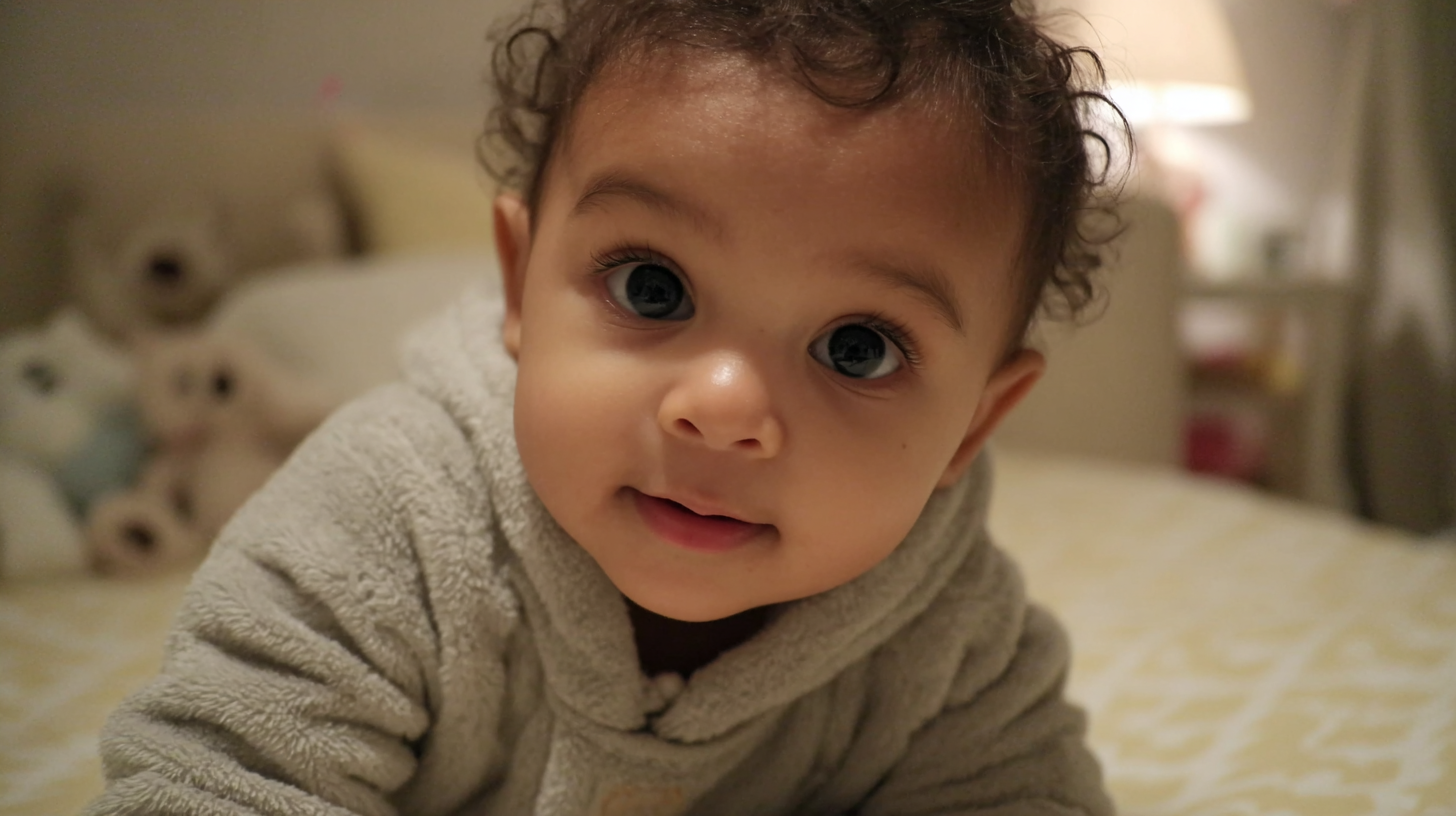
The Rise of Baby Models: A Statistical Overview of Trends in Early Childhood Modeling
Lately, there’s been quite a buzz around Baby Modeling, and it’s really got folks talking about what it means for early childhood development. With more infants appearing in ads and on social media, it’s pretty important to get a handle on what's going on behind the scenes. Thanks to platforms like Instagram and other online advertising, the way kids are portrayed has totally shifted, leading to a flood of new data that shows how perceptions and practices are changing. But here’s the thing — this rise in Baby Modeling isn’t just about industry trends; it also raises questions about kids’ well-being and how all this might affect their psychological health.
When we look at early childhood education, tools like the Data Dashboard from the Center for American Progress are super useful. They give us a clearer picture of what's happening on both the national and state levels in terms of childcare and learning. As Baby Modeling continues to grow, it’s really important to keep an eye on how these trends tie into the overall development stats for young kids. We need to make sure that, no matter how exciting or lucrative these new opportunities are, children’s welfare and growth remain front and center in this evolving scene.
The Rise of Baby Models: A Statistical Overview of Trends in Early Childhood Modeling
This chart illustrates the rise in the number of Baby Models developed from 2018 to 2022, showing a significant upward trend in the early childhood modeling industry.
Impact of Baby Modeling on Developmental Milestones: Key Statistics and Insights
Lately, we've been hearing a lot more about Baby Models and how they might actually play a role in early childhood development. It’s pretty fascinating—research shows that early exposure to activities like modeling and structured play can really boost a kid's growth milestones. In fact, recent stats suggest that kids who engage in these kinds of activities tend to develop better cognitive and social skills—by as much as 30% compared to kids who don’t. It really highlights just how important those early experiences are in shaping where they’ll go in the future.
Here’s a little tip: try to include more role-playing and real-life scenario simulations in playtime. These kinds of activities can give their brains that extra nudge it needs to grow. Plus, using toys that challenge their problem-solving and creativity skills isn’t just fun—it actually makes a difference! Lots of industry reports back this up, showing how interactive learning tools can really help aid development.
On top of that, some newer studies point out that how parents view these activities matters, too. For example, a long-term study found that parents who get involved in creative play and modeling tend to have kids with less anxiety and better emotional control. Basically, it’s all connected—the parent’s attitude shapes the child’s emotional and social growth, especially when the environment is nurturing and positive.
So, a little tip here: creating a supportive and positive vibe at home can make all the difference. Using praise and encouragement really helps kids build confidence and keeps anxiety at bay. It’s good to pick activities that boost both their physical and emotional sides, giving them a well-rounded start in life.
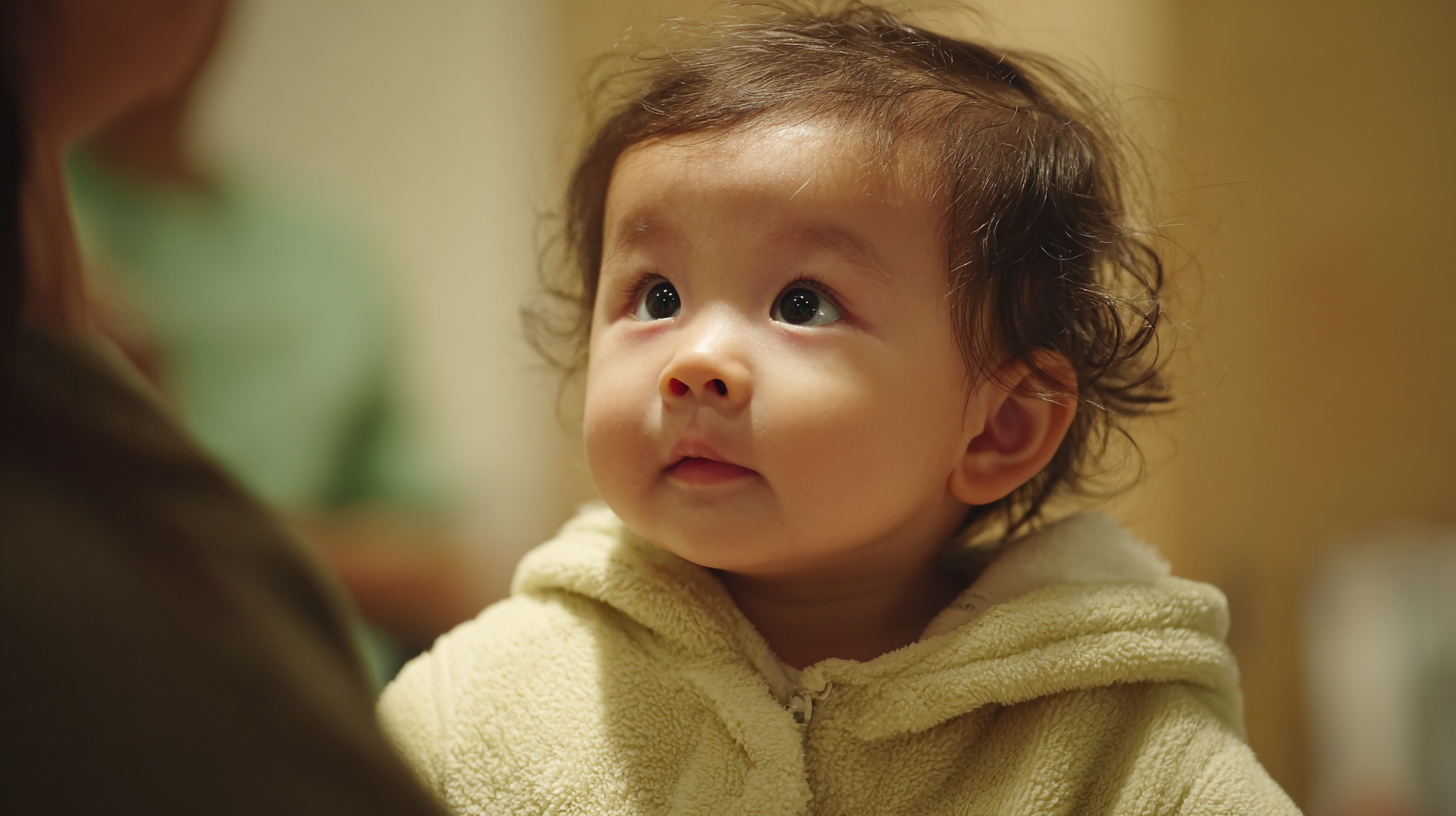
Balancing Glamour and Growth: The Psychological Effects of Modeling on Infants
You know, the modeling world has been really getting into showcasing babies lately, and it’s creating this mix of glitzy glamour with the reality of early growth. While it’s super cute and grabs attention, we’ve got to also think about what all this fame might do to little ones emotionally. A 2021 report from the American Psychological Association points out that kids who start modeling early might become more self-conscious or even anxious about performing, especially as they try to meet society’s standards of how they should look and behave. That kind of pressure to fit in can be pretty intense and might even get in the way of healthy emotional development during those really impressionable years.
And honestly, finding that sweet spot between fun, glamour, and healthy growth isn’t easy. Studies, like one published in the Journal of Child Psychology, suggest that babies and toddlers in modeling can sometimes experience higher stress levels and even swings in how they see themselves—especially if their parents’ approval seems tied to how well they perform. In fact, a survey showed that about 65% of parents are worried about how long-term modeling might affect their kid’s well-being. It really highlights that prioritizing their mental health should come first over commercial interests. As the industry keeps shifting, it’s so important to find better ways to support kids’ growth without all the pressure of glamour — that way, we’re setting them up for a healthier future, for sure.
The Economic Landscape of Baby Modeling: Revenue Statistics and Industry Growth
The world of Baby Modeling is pretty fascinating—it’s a mix of growth and big money-making potential. Lately, this little industry has been growing fast, especially since it’s tied to the booming kids’ and baby clothing market, which, by the way, was worth around $359 billionin the US in 2024. That huge demand for infants’ and kids’ clothes has opened up a ton of new casting opportunities for Baby Models, which means more jobs popping up in this niche. It’s prettyexciting if you think about it!
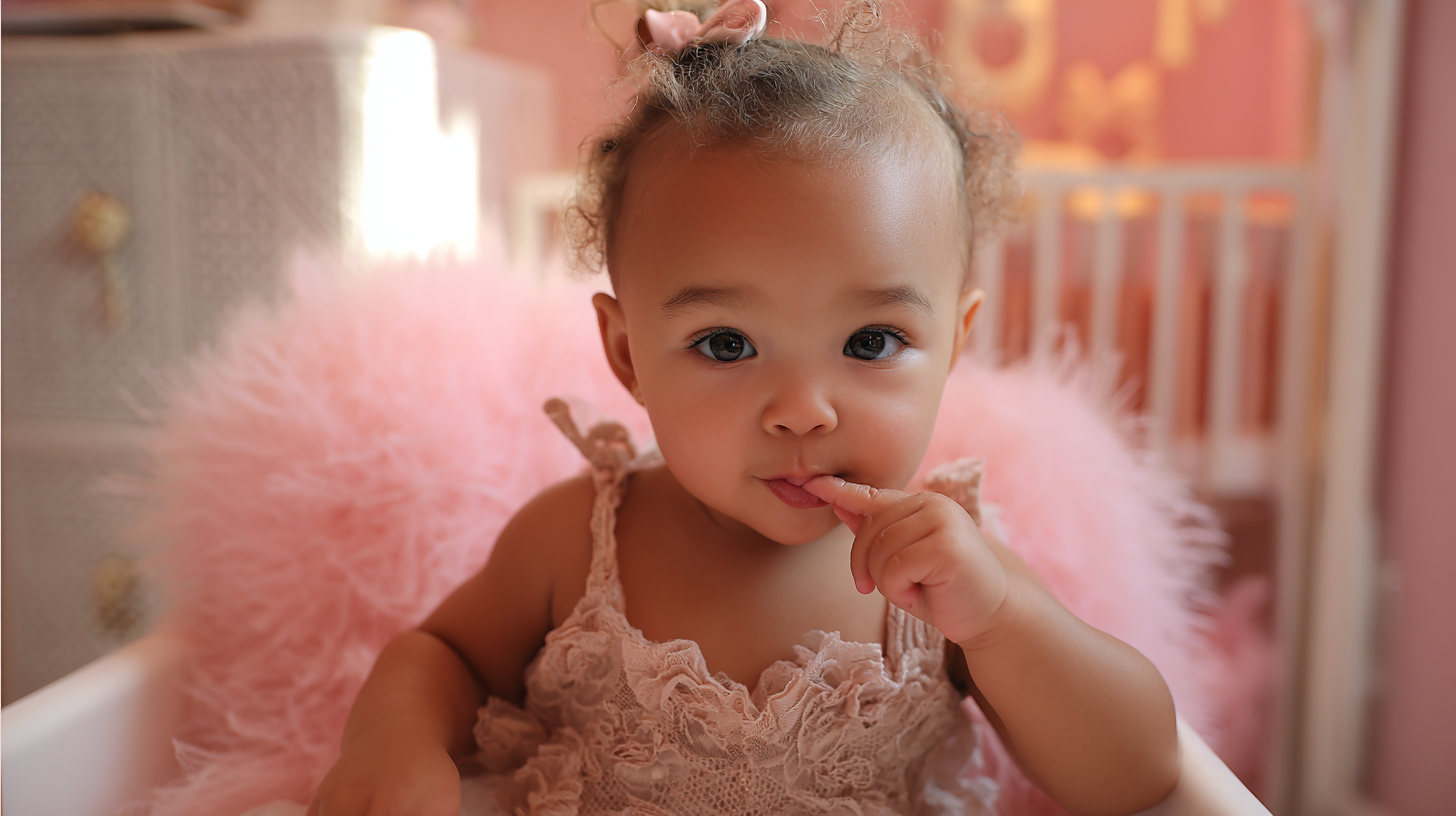
On top of that, the rise of online shopping has really given the industry a boost. Experts are saying that US e-commerce sales could hit about $1.18 trillionby 2029. This boom doesn’t just make these brands more visible; it also stirs up some pretty stiff competition among agencies trying to land the coolest gigs for their tiny talents. And as more brands realize how effective Baby Models can be for their marketing, it’s worth wondering how this might impactearly childhood development—something we should definitely keep an eye on, making sure everyone plays fair in this evolving scene.
Critical Factors Influencing Baby Models' Development: Age, Environment, and Exposure
The whole thing about Baby Models isn’t just shaping fashion trends — it actually has a real impact on how young kids grow and develop. You see, things like their age, the environment they’re in, and how much they’re exposed to really matter. For example, a baby’s age can make a difference in how they experience things early on. Toddlers and infants go through different milestones, and sometimes, the demands of the modeling world don’t quite line up with their natural growth patterns. That’s why it’s super important to make sure they’re modeling at an age that’s right for them, to help keep their development on track.
Then there’s the environment — this is a biggie. Being in a positive, supportive space really helps kids grow in a healthy way. On the flip side, if they’re under a lot of pressure or stressed out, it can cause anxiety and affect their well-being. Having caregivers who genuinely care about their kids’ happiness and safety can make a huge difference, too. Plus, a bit of exposure to different places, cultures, and social settings is actually beneficial — it can help them learn and adapt. But, honestly, too much of that without enough support can be overwhelming, so finding that balance is key. When we pause and really think about these factors, it’s easier to see how baby modeling and early childhood growth are pretty interconnected — it’s all about understanding and caring for these little ones as they grow and shine.
Unveiling the Journey of Baby Models and Their Impact on Early Childhood Development Statistics
| Age Group (Months) | Environment Quality (1-10 Scale) | Exposure to Modeling (Hours/Week) | Developmental Milestones Achieved (%) | Parent Engagement (High/Medium/Low) |
| 0-6 | 9 | 5 | 70 | High |
| 6-12 | 8 | 10 | 75 | Medium |
| 12-18 | 7 | 8 | 80 | High |
| 18-24 | 6 | 6 | 85 | Low |
Best Practices for Parents: Tips from Experts on Managing Baby Modeling Careers
Getting into baby modeling can be an exciting ride for parents, but honestly, it’s not without its challenges. Experts often talk about how important it is to set clear boundaries and find a good balance between grabbing modeling opportunities and making sure your kid's well-being stays top priority. Honestly, you should always keep your child's comfort and genuine interest front and center—because if they’re not enjoying it, it might just become more stress than fun. Checking in with your little one regularly about how they feel about modeling is super helpful—kind of like a little compass to guide your decisions and keep things positive.
On top of that, having a solid support system can make all the difference. If you can connect with other parents who are into baby modeling, it’s a great way to swap stories, get advice, and share experiences. Being part of that community can also give you the scoop on safe practices, legit gigs, and how to handle things long-term. And let’s be real, the industry can be pretty unpredictable, so keeping realistic expectations is key. With a focus on education, emotional support, and just taking things step by step, you can help your kiddo navigate this unique path while also supporting their healthy childhood development.
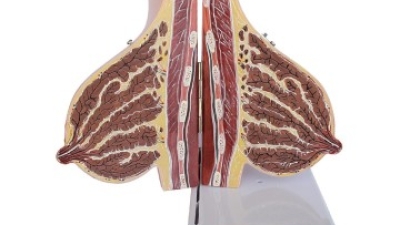
Comprehensive Overview of the Simulated Human Anatomical Indicator Marks for Female Lactating Breast Model
The female lactating breast model offers a comprehensive understanding of breast anatomy in a simulated environment, specifically designed to illustrate the dynamic transformations that occur during lactation. This model features a detailed representation that allows for an exploration of both the resting and lactating states, providing insights into the physiological changes that take place as the body prepares for nursing.
Meticulously crafted in two movable parts, the model provides an interactive experience perfect for educational and clinical settings. Gynecologists can utilize this tool to effectively communicate with patients about breast health, anatomy, and the lactation process. In medical schools, it serves as a vital teaching aid, enhancing students' learning experiences through tangible, visual representation of female breast anatomy. The intricate cross-sectional design highlights crucial structures, enabling a deeper appreciation of the complexities of breast physiology, particularly during lactation.
FAQS
: Early exposure to modeling can lead to heightened self-awareness, performance anxiety, and significant pressure to conform to societal expectations of beauty and behavior, potentially hindering healthy emotional development.
When parental approval is linked to performance, infants and toddlers may experience increased stress and fluctuating self-esteem, raising concerns about their long-term well-being.
The baby modeling sector has seen impressive expansion due to the booming apparel market, valued at approximately $359 billion, and the significant revenue projected in the e-commerce market, which may reach $1.18 trillion by 2029.
A supportive and nurturing environment can promote positive growth, while a high-pressure atmosphere may lead to stress and anxiety, affecting the child's overall development.
The age at which a child begins modeling significantly impacts their experiences, as the modeling industry’s expectations can conflict with their natural developmental milestones.
Many parents are worried about the potential negative effects of early modeling experiences on their child's psychological health, emphasizing the need for the industry to prioritize well-being over commercial interests.
A sustainable approach that fosters growth while effectively managing the glamour associated with modeling is crucial for nurturing healthier future generations.
Exposure to varied experiences can enrich a child's development, but excessive exposure without adequate support may overwhelm them, highlighting the need for balance.
Research indicates that while baby modeling can provide unique opportunities, it is essential to examine how these experiences impact early childhood development and to enforce ethical practices in the industry.
A survey indicated that 65% of parents reported worries about the long-term impact of modeling on their child's psychological well-being.
Conclusion
Hey, so I came across this article called "Unveiling the Journey of Baby Models and Their Impact on Early Childhood Development Statistics," and honestly, it’s quite a deep dive into how baby modeling is changing these days. It talks about the growing trend of baby models and shows some pretty eye-opening stats about how they might be influencing little ones’ developmental milestones. The article balances out the shiny, glamorous side of the modeling world with the real growth and needs of the babies involved. It even digs into how modeling might affect their psychological development, which is super important to keep in mind.
On top of that, it touches on the money side of things — like how the industry’s profits are climbing and what’s driving the market. It points out that factors like age, environment, and how much exposure these babies get really matter when it comes to their growth and the modeling gig. To wrap things up, there are some helpful tips for parents—kind of a guide on how to manage their little ones’ modeling careers without just focusing on the fame or money, but really making sure their kids are happy, healthy, and growing up right.