Using Ear Anatomy Models in educational settings actually comes with its own set of hurdles that students need to get past if they want to really understand these complex concepts. At Henan Qianyue Teaching Instrument and Equipment Co., Ltd., we totally get that these detailed models are super helpful tools for medical learning. But honestly, their effectiveness can sometimes be hampered by a few factors. 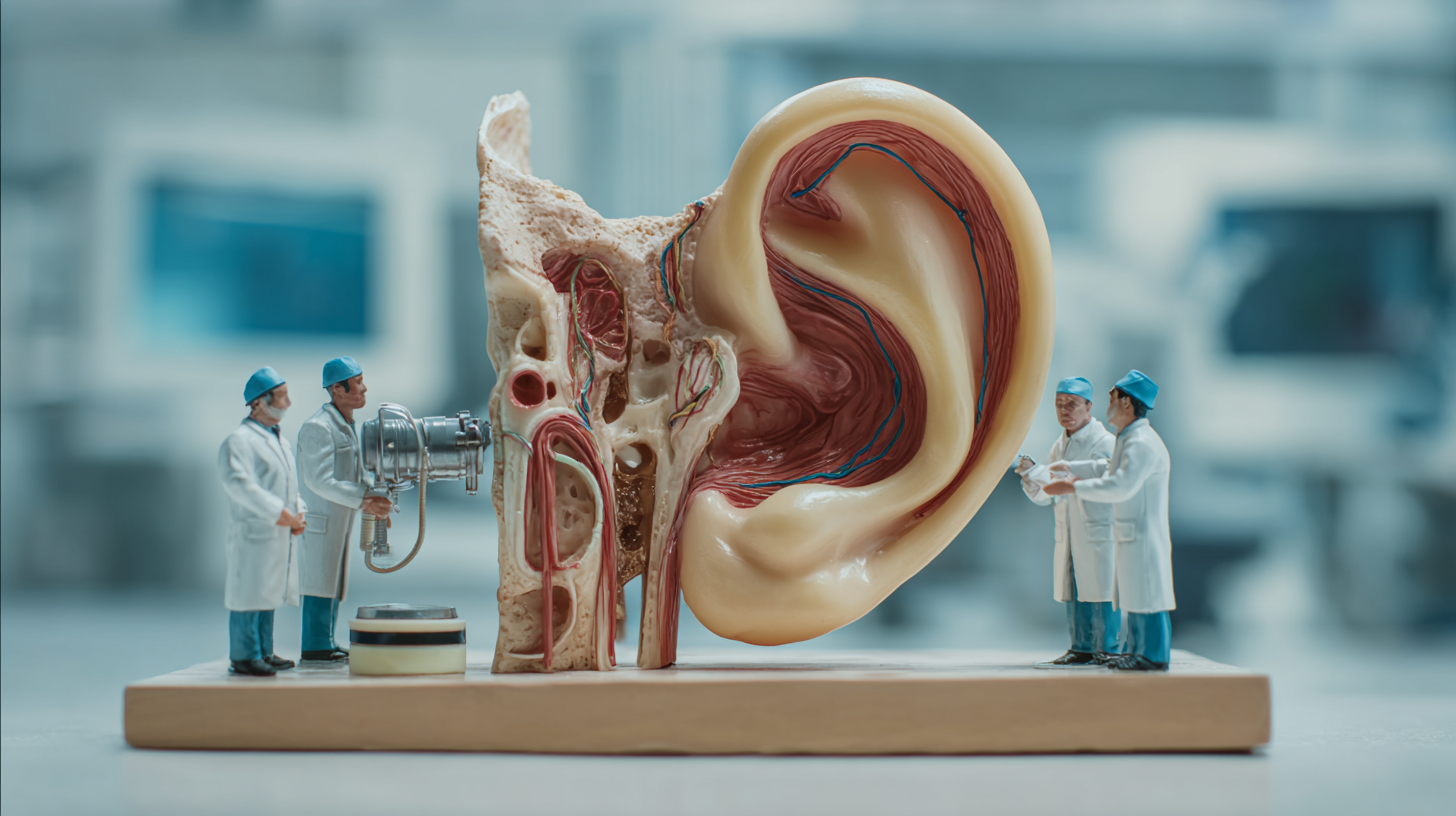 For example, students often find it tricky to interpret the 3D structurescorrectly, connect them to how our ears actually work, and then apply that knowledge in real-life situations. In this blog, I’ll dive into these specific challenges and share some ideas on how we can tweak both the design of these Ear Models and how they’re used in teaching to make learning easier and more engaging. Our goal is to help teachers and students get the most out of these high-quality models—because atHenan Qianyue, we’re all about pushing Medical Education forward, both in China and beyond.
Common Misconceptions About Ear Anatomy Models in Education
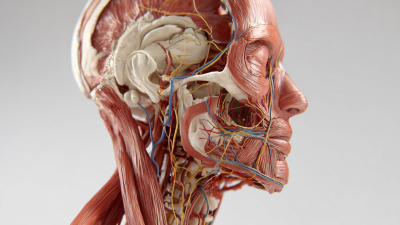
When students start learning about ear anatomy, they often run into some misconceptions that can really throw them off. One common mistake is thinking that Ear Models are totally accurate portrayals of what’s actually inside a human ear. Sure, these models are super helpful for visualizing things, but they can also oversimplify the complicated structures or miss out on some details. Like, a lot of students might not realize that the way the ossicles, cochlea, and auditory nerve all connect and interact isn’t always clear in a flat, two-dimensional model.
Another thing I see quite a bit is folks believing that just messing around with these models is enough to really get it down. Many students think that handling the models will replace digging into textbooks or checking out interactive digital resources. And honestly, that can lead to a pretty surface-level understanding — missing some of those key details that make the whole picture clearer. Teachers should definitely emphasize that using models is just one part of the process. Mixing hands-on practice with good old-fashioned studying and digital tools will give students a fuller, more accurate grasp of ear anatomy. It’s all about finding the right balance, you know?
The Role of Technology in Enhancing Ear Anatomy Learning
You know, nowadays, integrating tech into education has really been a game-changer, especially when it comes to learning about anatomy. For students who find ear anatomy pretty tricky, cool tools like augmented reality (AR) and virtual reality (VR) can make a huge difference—way more interactive than your usual textbooks or models. These techy experiences let students actually see, touch, and explore the ear’s complex structures in 3D, which makes everything so much more memorable and engaging. Honestly, it’s like bringing the classroom to life!
At Henan Qianyue Teaching Instrument and Equipment Co., Ltd., we're all about keeping up with these advancements in Medical Education. As a leader in the industry, we're not just about providing top-notch models—we’re also dedicated to blending in the latest technology. Our goal is to give teachers the best tools out there so they can help students grasp those tough anatomical concepts without too much frustration. That combo of innovative tech and high-quality resources really helps prepare future medical pros with theknowledge and skills they need to succeed—no doubt about it.
Key Factors Influencing Student Engagement with Ear Models
When students get hands-on with Ear Anatomy Models, a few things really shape how they experience and understand what they’re learning. One big factor is how interactive these models are. Honestly, students tend to stay more engaged when they can actually touch and manipulate the models—exploring the ear’s structure and how it all works firsthand. That kind of tactile stuff doesn’t just make the complex relationships clearer; it kicks up curiosity and encourages them to dive deeper into the topic.
Then there’s the importance of providing some context along with the models. It helps a lot when students have access to extra resources—like guided instructions, videos, or explanations—that break down what each part of the ear does. When the models are part of a bigger learning scene—maybe showing real-life uses or examples—it helps students see why all this stuff really matters. Connecting theory to practical examples keeps them interested and makes the whole learning experience way more memorable and meaningful.
Challenges Faced by Students When Using Ear Anatomy Models in Learning - Key Factors Influencing Student Engagement with Ear Models
| Challenge | Description | Impact on Engagement | Suggested Solutions |
| Complexity of Models | Students often find Ear Anatomy Models too complex to understand, leading to frustration. | Decreased participation and lower retention rates. | Simplify models or provide additional resources to explain functionalities. |
| Limited Hands-on Experience | Students may have limited opportunities to interact with the models physically. | Results in lower hands-on learning and practical skill development. | Increase the availability of models for practice sessions. |
| Lack of Guidance | Insufficient instructor support when using models can lead to confusion. | May cause disengagement and lack of confidence in understanding concepts. | Provide clear guidance and support from instructors during sessions. |
| Variation in Learning Styles | Different students have varying preferences for learning (visual, auditory, kinesthetic), affecting how they engage with models. | Some students may struggle to learn effectively using only models. | Incorporate a variety of teaching methods to cater to different learning styles. |
| Time Constraints | Tight academic schedules limit the time available for exploring models in-depth. | Reduces overall exposure and familiarity with ear anatomy. | Allocate dedicated time in the curriculum for hands-on model exploration. |
Overcoming Practical Challenges in Using Ear Anatomy Models
Using ear anatomy models really gives students a hands-on feel for the subject—it's pretty invaluable. That said, there are a few practical hurdles that can make these models less effective than they'd like. For starters, these models can be pretty complex, and students often find it tricky to spot all the different structures inside the ear. It can leave them feeling a bit overwhelmed or unsure about what they’re looking at. To help with this, teachers might consider doing guided sessions, walking students through the models step by step, pointing out those key landmarks that really matter.
Another thing is, not every school has unlimited resources. Sometimes, students just don’t get enough time with these models because there aren’t enough to go around. A good workaround could be using tech—things like 3D simulations or interactive online tools—that mimic the ear’s anatomy. These options not only make it easier for everyone to access the material but also let students explore at their own pace, which makes learning more engaging. By mixing up teaching methods and resources like these, educators can help students get a better grasp of the subject and create a more inclusive classroom vibe.
Best Practices for Educators to Facilitate Model Learning
Whenever teachers use ear anatomy models in their lessons, it’s really important to focus on the best practices that boost student engagement and help them remember what they learn. You know, research shows that hands-on activities can boost knowledge retention by up to 75%, whereas just listening to lectures might only lead to 5-10% retention (Dewey, 2020). To make learning more effective, it’s a good idea to set up group work where students can discuss and handle the models together. Not only does this support peer learning, but it also helps students develop critical thinking skills — which is super useful when they’re applying what they’ve learned in real clinical situations.
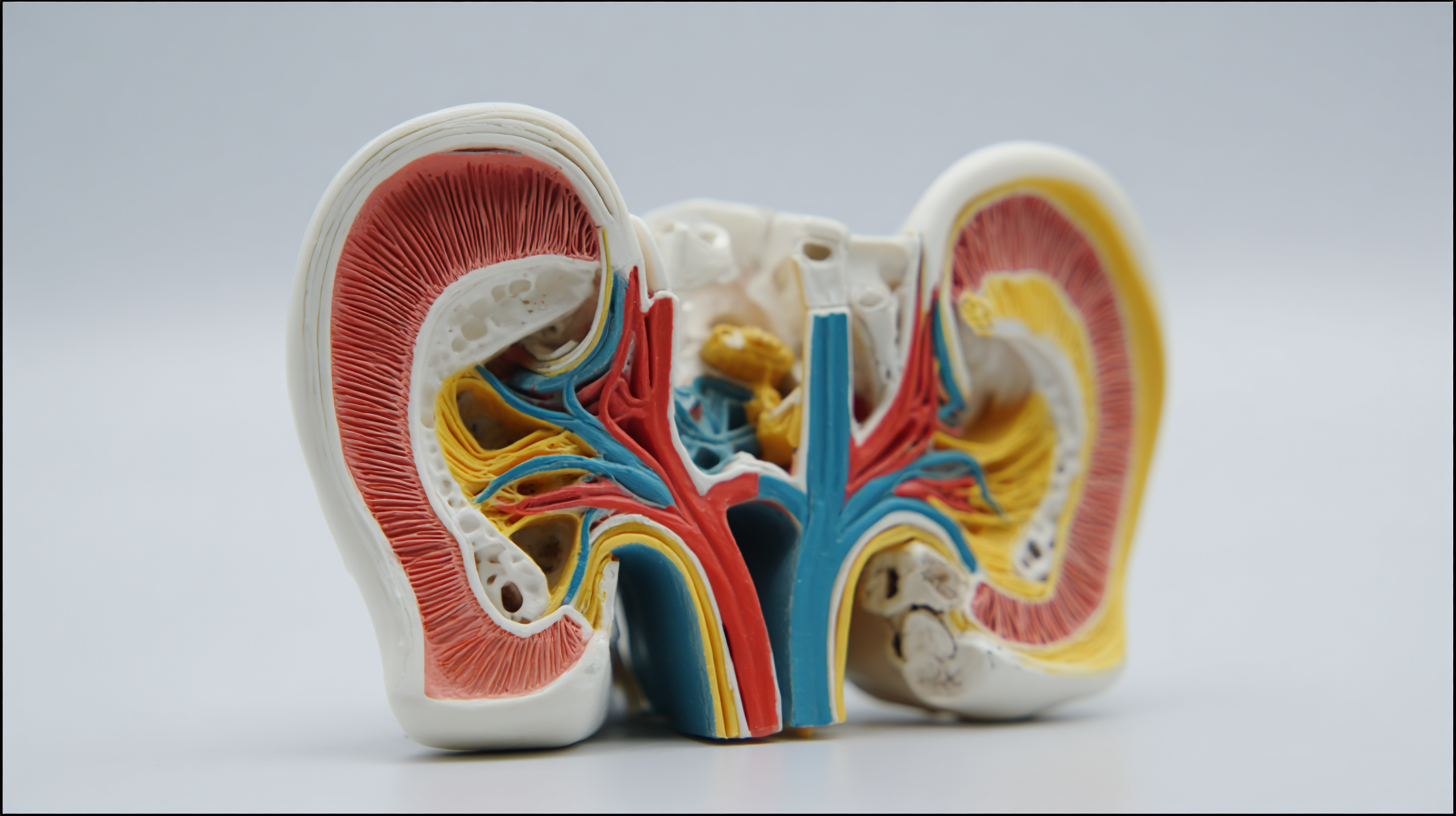
And, to take things even further, bringing technology into the mix can really spice up the learning experience. For example, using augmented reality (AR) apps that layer digital info onto the physical models can make complex anatomy much easier to understand. A study published in the Journal of Medical Education found that students who used AR along with regular models scored about 30% higher on their tests than those who only used the models (Smith et al., 2022). By embracing these approaches, teachers can create a lively, engaging environment where students not only pick up knowledge but also develop a real connection to the subject. That kind of setup really sets students up for success, whether in school or later on in their careers.
Student Perspectives: What Works and What Doesn’t in Ear Anatomy Learning
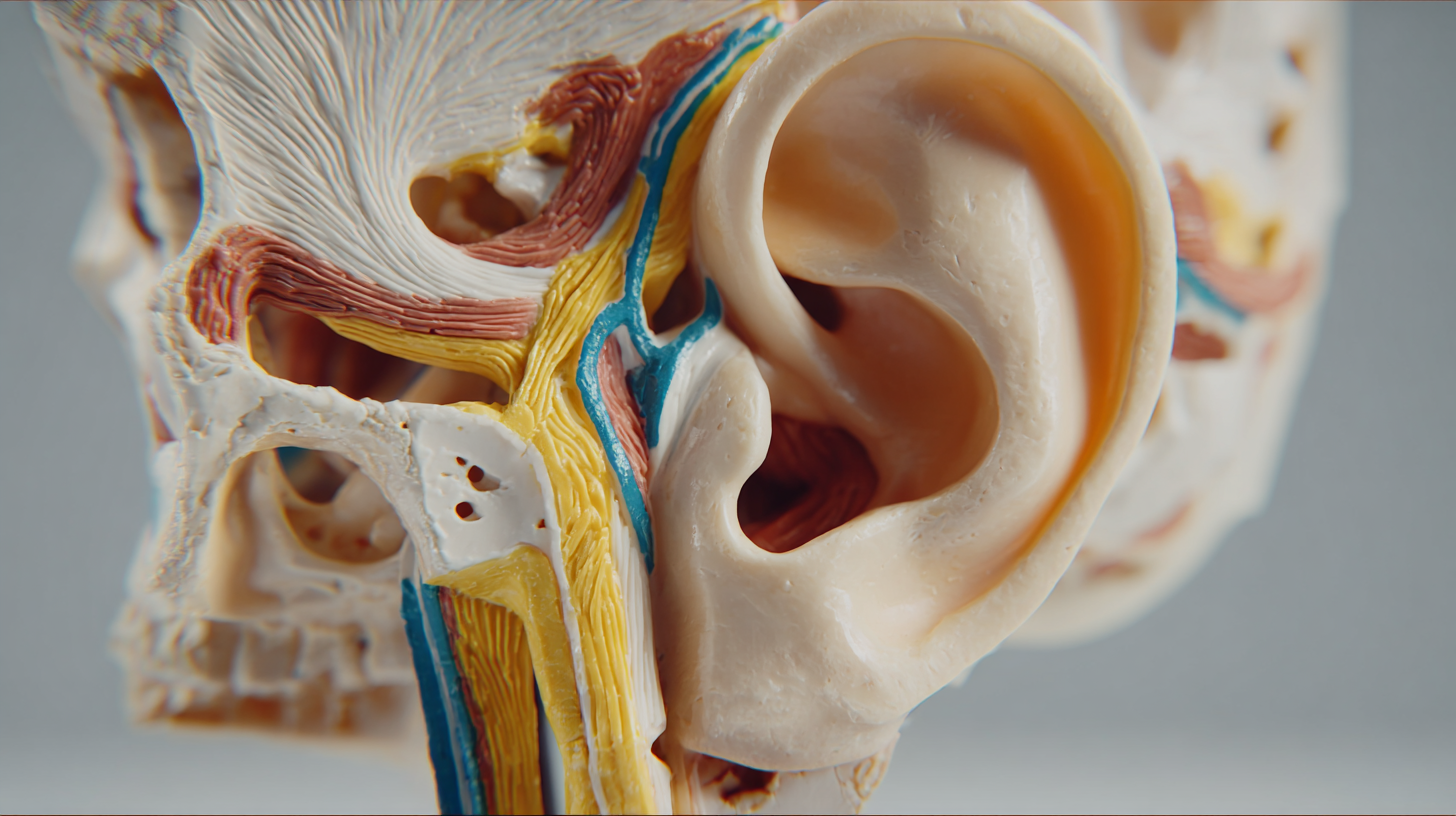 When it comes to learning about ear anatomy, students often have mixed feelings about using those anatomical models. Some think they’re really helpful for visualizing the complicated structures, but others find they’ve got their limitations. Like, sure, models give you that cool 3D perspective, but sometimes they oversimplify things, which can end up confusing students about the real complexity of the ear.
Pro tip: To really get the most out of those models, it’s a good idea to use them alongside digital resources or interactive apps. That way, you get a fuller picture of how everything works and how the different parts are connected.
And honestly, a lot of students also find it tricky to learn just by touching and manipulating static models. They can’t quite capture all the little details and nuances of real anatomical structures. That makes it harder to understand how hearing and balance really work.
Another tip: Group study sessions can be a game-changer. Sharing insights and bouncing ideas off each other makes studying more interactive and less boring. Plus, it helps connect those models to real-life applications, making the whole thing a lot more relatable and easier to wrap your head around.
FAQS
re ear anatomy models completely accurate representations of real human anatomy?
No, while models are helpful, they should be integrated with other resources like textbooks and digital media for a comprehensive understanding.
Technologies such as augmented reality (AR) and virtual reality (VR) provide interactive experiences that improve engagement and retention of knowledge about ear anatomy.
Students often find that models can oversimplify details and the tactile experience may not replicate the complexities of real anatomical structures.
By using digital resources or interactive anatomy apps alongside models, students can gain a more thorough understanding of ear structure functions and relationships.
Engaging in group study sessions can help students share insights and enhance their grasp of ear anatomy through collaborative learning.
Conclusion
When it comes to medical education, using ear anatomy models can be quite tricky for students. Sometimes, folks tend to oversimplify those really intricate structures, and that can actually get in the way of truly understanding what they're studying. On the flip side, thanks to new tech, students now get to experience ear anatomy in a way that's much more interactive and engaging—making it easier to grasp those complex details. Of course, how much students stay interested depends on a bunch of things, like how good the models are and how the lessons are taught.
There are practical hurdles too, like making sure the models are easy to access and use without hassle. Teachers can boost learning by encouraging hands-on practice and teamwork—making the whole process more fun and effective. Listening to students about what works and what doesn’t is super valuable because it helps improve the overall learning experience. And, here’s the cool part—Henan Qianyue Teaching Instrument and Equipment Co., Ltd., as a leader in the industry, is dedicated to offering top-notch ear models that make learning easier and clear up those stubborn misconceptions.