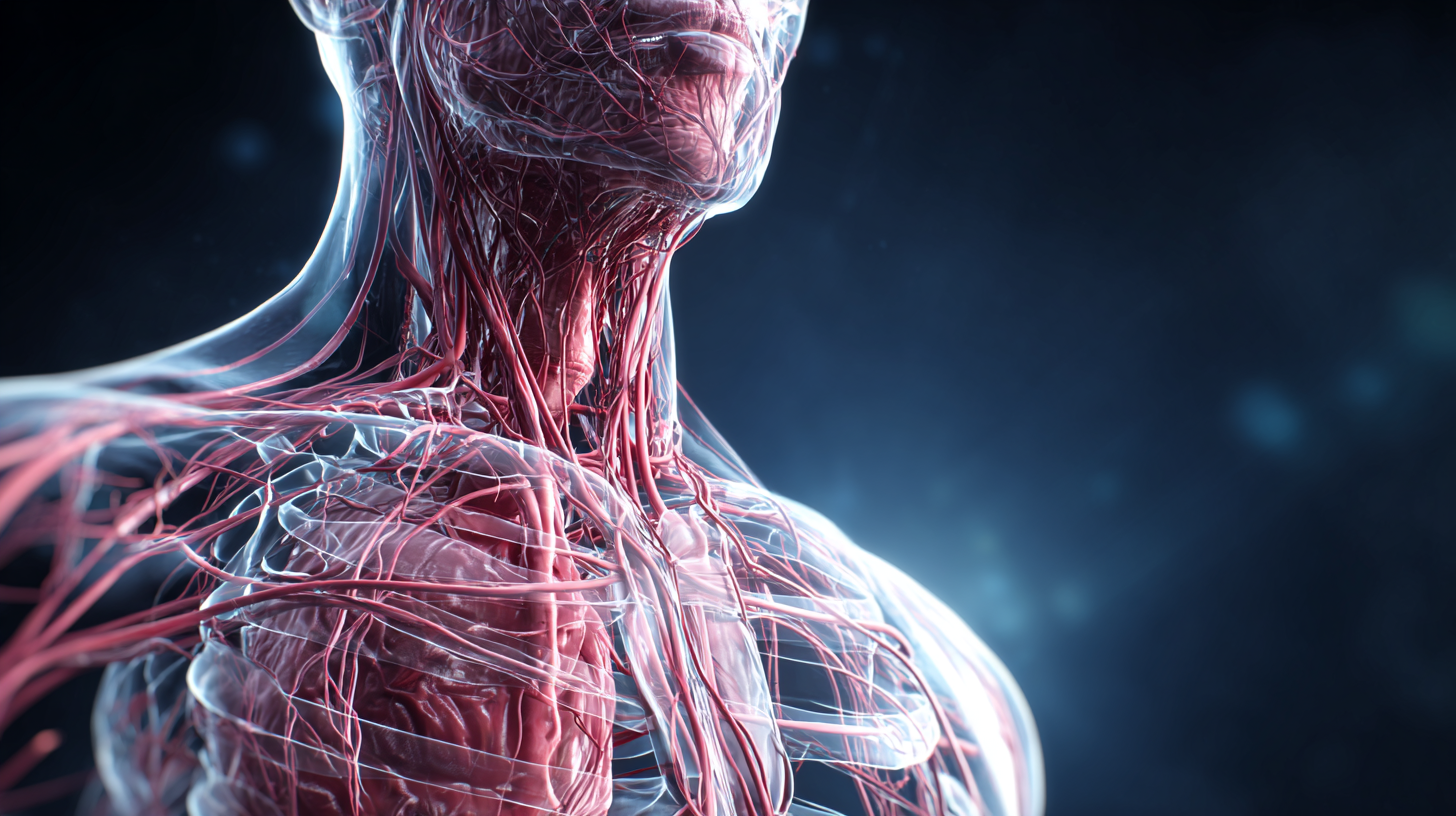
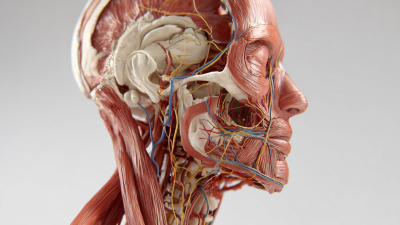
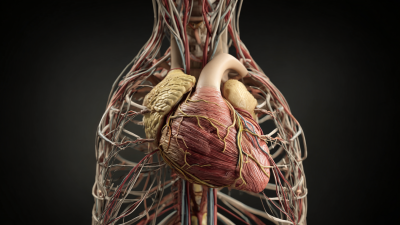
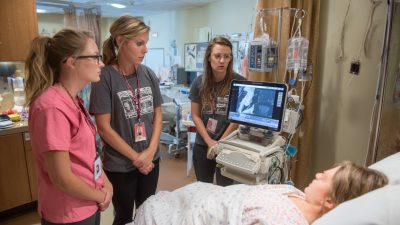
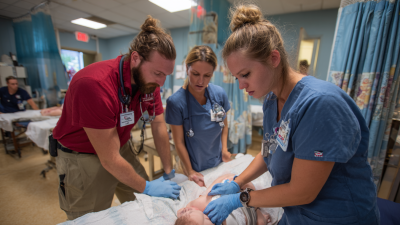
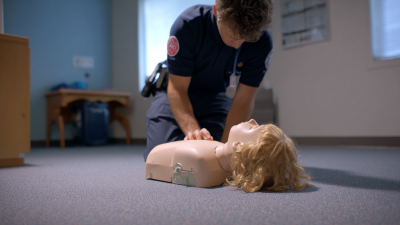
Getting a good grip on human anatomy really is key when it comes to staying healthy and fit. It’s one of those things that helps you understand how your body works and reacts to different kinds of exercises. Did you know, according to the World Health Organization, more than 60% of people around the world aren’t hitting the recommended levels of physical activity? A lot of times, it’s just because folks don’t really know how to exercise effectively or what their bodies need.
Here at Henan Qianyue Teaching Instrument and Equipment Co., Ltd., we’re all about improving health and fitness education. We do that by providing top-notch medical equipment and Educational Models that really help people learn about their bodies. With our background in medical products, we aim to give peopleclear, practical insights into human anatomy—things that actually help them make smarter choices about their health.
When you understand your anatomy, it’s easier to create a fitness plan that suits your body’s unique structure. In the end, this kind of knowledge can lead to better health results and, honestly, a more enjoyable life.
The Importance of Anatomy Knowledge for Fitness Enthusiasts
If you're into fitness and really want to get the most out of your workouts, understanding human anatomy is pretty much a game-changer. Knowing how your body is put together—muscles, bones, organs and all that—helps you customize your training so you can really hit those target areas effectively. For example, when you get how muscles work during different moves, you’ll notice your performance improves, and you’re also much less likely to get hurt. It’s like having a secret cheat sheet for making smarter choices about what exercises to do, so you build strength and stamina without pushing yourself over the edge.
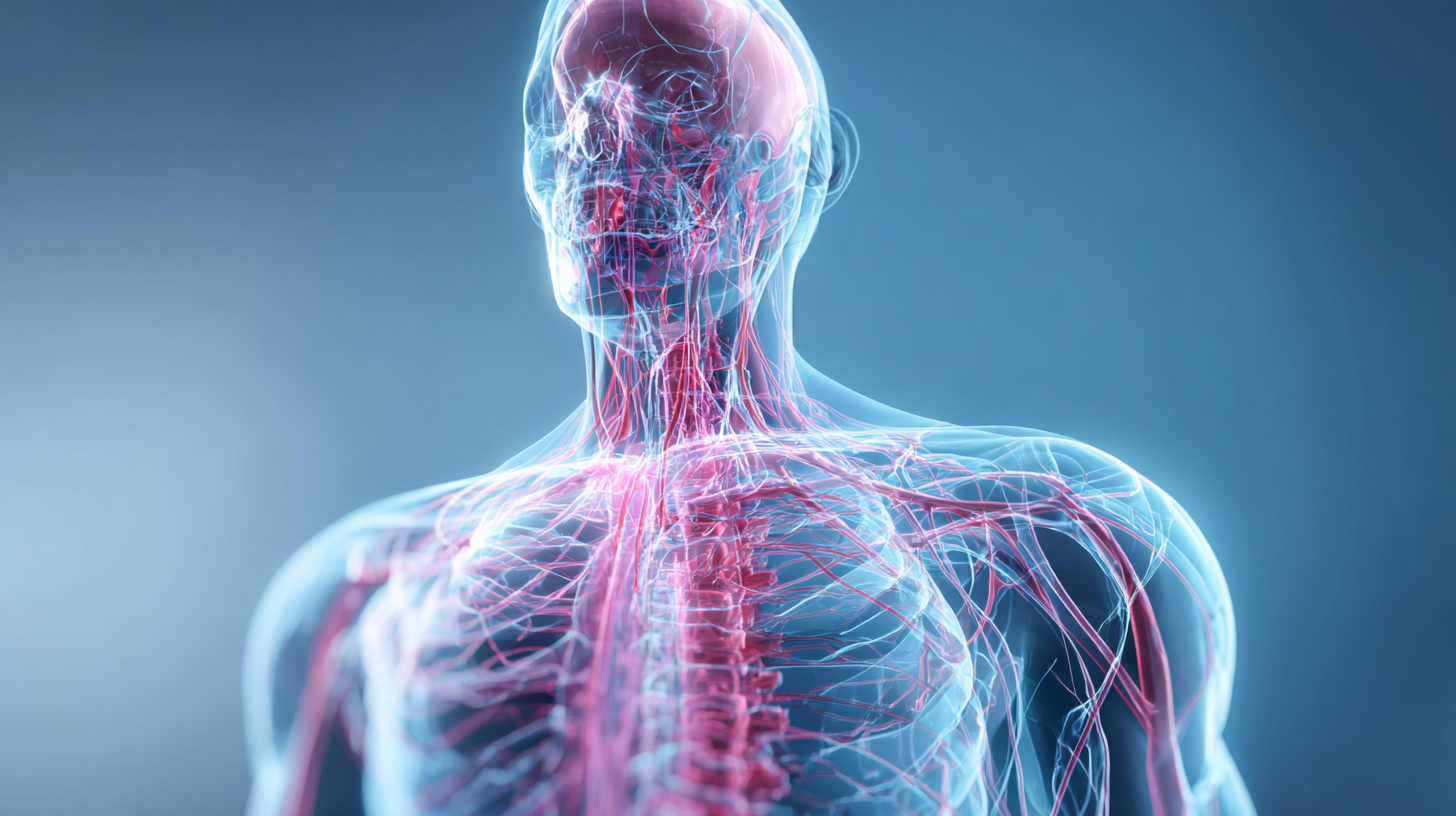
Plus, having some basic knowledge about anatomy isn’t just about the workouts — it’s super helpful when it comes to recovery and nutrition, too. When you understand how your body’s systems work together, it becomes clearer why things like staying hydrated, getting enough rest, and eating the right nutrients are so important. For instance, knowing how muscles repair themselves explains why chowing down on protein after a session makes a big difference. Taking an anatomical approach to fitness encourages you to think about your overall well-being, like your posture and flexibility, which are key for staying healthy long-term.
Basically, learning a bit about how your body functions makes your fitness journey more meaningful and sustainable — it helps you feel more connected and in control of your progress.
Essential Human Body Systems You Should Know for Optimal Health
Getting a good grasp of our body's main systems is pretty important if we wanna stay healthy and feeling good. Take the immune system, for example — it’s like our body’s first line of defense, fighting off all those germs and bugs. So, keeping it strong is super important, not just to avoid getting sick but also to bounce back quickly if we do catch something. Then there’s the lymphatic system — understanding how it works can really help us get what’s going on inside our bodies. When that system gets out of whack, it can lead to issues like lymphatic filariasis, which causes some pretty serious swelling and disability due to enlarged body parts. Yikes, right?
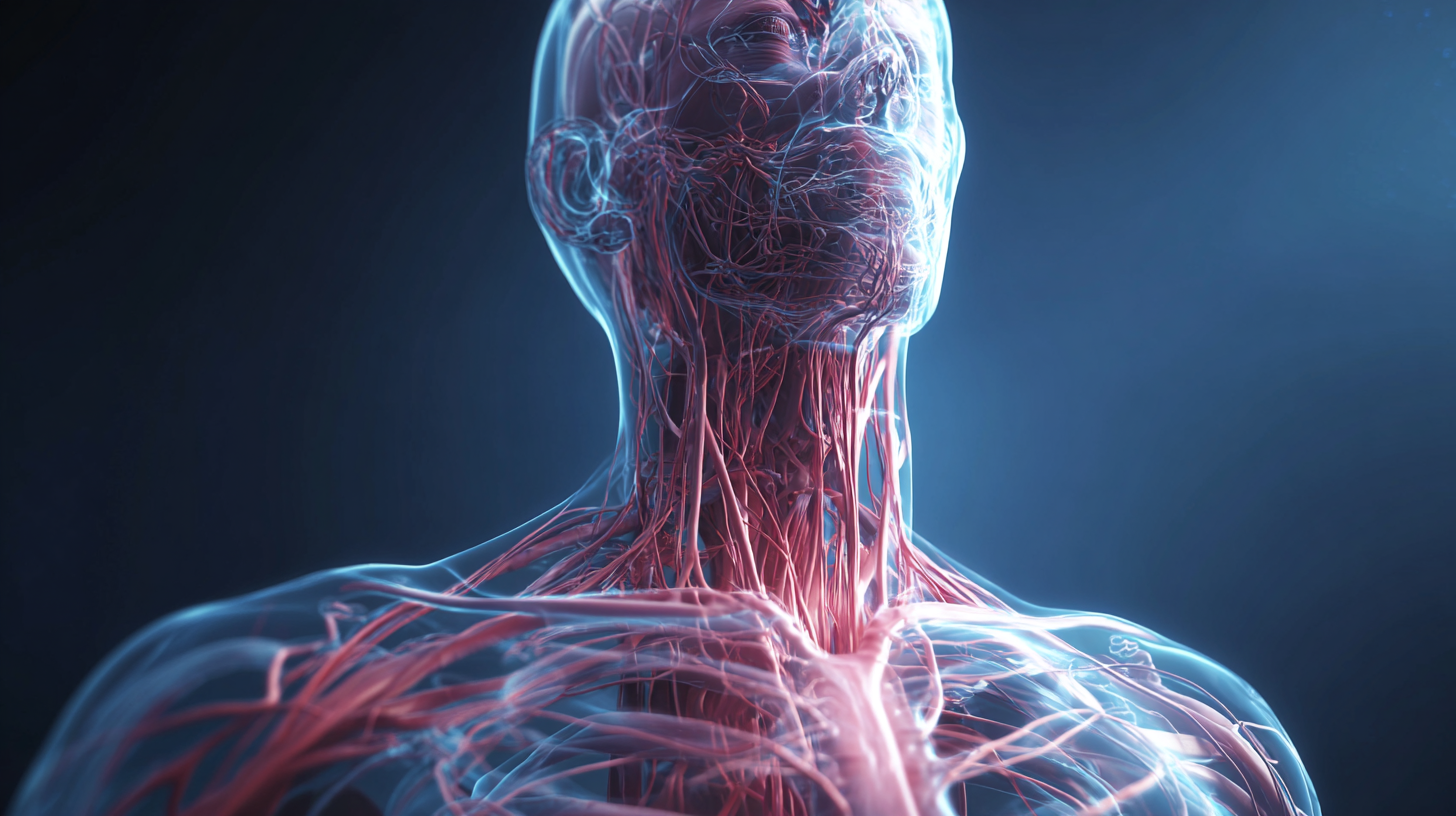
Another key piece of the puzzle is homeostasis — basically, our body’s way of keeping everything in balance. It’s crucial for survival and just feeling decent overall. It affects all sorts of things, from how our metabolism runs to how we handle stress. Plus, knowing about our microbiota — those tiny microbes in our gut — highlights just how important a good, balanced diet is. If those microbial communities get out of sync, it can cause all kinds of health problems. It’s pretty wild how all these systems are interconnected. By understanding these basics, we can actually make smarter choices to keep ourselves healthier and fitter day to day.
Top 5 Muscle Groups to Focus on for Improved Strength and Performance
Getting familiar with the main muscle groups in our bodies is pretty important if you're trying to boost your strength or just improve athletic performance. I read somewhere—like, a report from the American College of Sports Medicine—that really drilling down on specific muscles isn’t just about getting stronger. It also helps prevent injuries and speeds up recovery when things go awry. So, if you wanna get the most out of your workouts, focusing on these five key areas — the quads, hamstrings, glutes, chest, and core — can make a huge difference. Trust me, hitting these spots can seriously level up your fitness game.
Take the quads and hamstrings, for instance—they’re crucial for your lower body strength and stability. There was this study in the Journal of Strength and Conditioning Research that showed athletes who specifically trained these muscles saw their sprinting speed jump by about 15% in just eight weeks. Crazy, right? And let’s not forget the glutes — sometimes we forget how important they are. They’re not just for aesthetics; they’re vital for hip strength and good posture, especially if you’re into sports that need explosive movements. Plus, having a solid core — that’s your abs and lower back — is like the foundation for everything. It keeps your whole body stable and helps you perform better, whether you're lifting weights or running marathons. So, if you focus on these key muscle groups, you’re pretty much setting yourself up for better fitness and overall health. Easy peasy, just gotta put in the work!
How to Understand Human Anatomy for Better Health and Fitness Insights - Top 5 Muscle Groups to Focus on for Improved Strength and Performance
| Muscle Group | Primary Function | Recommended Exercises | Benefits |
| Chest (Pectorals) | Push movements, upper body strength | Bench Press, Push-Ups, Chest Flyes | Improved upper body strength, enhanced muscle tone |
| Back (Latissimus Dorsi) | Pull movements, maintaining posture | Pull-Ups, Bent-Over Rows, Deadlifts | Better posture, reduced back pain, improved strength |
| Legs (Quadriceps & Hamstrings) | Stability, mobility, and locomotion | Squats, Lunges, Leg Press | Increased strength, enhanced endurance, injury prevention |
| Shoulders (Deltoids) | Arm movements, shoulder stability | Shoulder Press, Lateral Raises, Front Raises | Increased arm strength, improved shoulder mobility |
| Core (Abdominals & Obliques) | Stability, balance, support for overall movement | Planks, Crunches, Russian Twists | Enhanced balance, better posture, improved athletic performance |
Understanding Joint Mechanics: 4 Key Insights for Injury Prevention
Getting a good grip on how our joints work is pretty important if you wanna avoid injuries and get the most out of your workouts. Did you know that almost 60% of sports injuries are linked to poor Joint Mechanics? Yeah, that really shows why proper alignment and making sure everything moves right matter so much. For example, I read a study from the American Orthopaedic Society for Sports Medicine that found strengthening your ligaments and the muscles around your joints can cut down injury risk by up to half. No kidding! So, focusing on targeted strength training that boosts joint stability is totally worth it.
Plus, knowing how much your joints can move is also key to avoiding getting hurt. The NASM mentions that keeping hips, knees, and shoulders flexible not only helps your performance but also keeps strains at bay. Incorporating some dynamic stretching and mobility exercises into your routine can really make a difference—they prepare your body for whatever activity you throw at it. If you start blending these ideas into your regular workouts, you'll not only protect your joints but also make your training way more effective. Trust me, it’s a game-changer!
How Nutrition Influences Muscle Recovery and Growth: 7 Key Factors
Hey, if you're serious about leveling up your fitness game, understanding how your nutrition impacts muscle recovery and growth is a total game-changer. It’s not just about feeding your muscles; proper nutrition actually helps you bounce back faster and get stronger. So, here are a few key things to keep in mind:
First off, don’t sleep on protein — it’s your best buddy when it comes to repairing and building muscle. Try to get a good source of protein within about 30 minutes after working out; it really makes a difference. And yeah, carbs are still important too! They refill your glycogen stores and give you energy for your next session.
Another biggie is staying hydrated. Seriously, dehydration can mess with your muscles and slow down recovery, so make sure you’re drinking plenty of water throughout the day — especially after hitting the gym. Also, don’t forget about healthy fats, like omega-3s. They can help reduce inflammation and support your recovery process.
And here’s a trick — spreading your meals and snacks evenly throughout the day can really boost muscle growth and keep you feeling energized. When you focus on these stuff, you’re all set to not just hit your fitness goals but understand how eating right makes a real difference in how your body performs and heals. It’s all about balance and consistency!
Keep at it, and you’ll see those gains not just in the mirror but in how you feel overall.
10 Common Myths About Anatomy Debunked for Better Health Decisions
Getting a solid grasp of anatomy is super important if you wanna make smarter choices about your health and fitness. But let’s be real—there are a lot of myths floating around that can really throw us off. Like, have you heard that muscle somehow turns into fat if you stop exercising? That’s just not true. Muscle and fat are completely different tissues. Sure, if you stop working out, your muscles can shrink and weaken, but they don’t magically turn into body fat. Believing this myth often makes people freak out about gaining weight after taking a break, but honestly, the real key is just maintaining a balanced diet while you're off the gym instead of stressing over it.
Another common misconception is spot reduction—that you can target fat loss in specific areas just by doing particular exercises. Science’s pretty clear on this: while you can strengthen specific muscles with certain moves, losing fat isn’t about working on one spot. It happens all over your body, and it’s largely influenced by your genetics and how many calories you burn overall. This misunderstanding can lead folks to focus way too much on isolated workouts instead of thinking about the bigger picture—like cardio and eating right. By clearing up these myths, anyone can make smarter choices, build a more effective routine, and feel more empowered in their health journey.
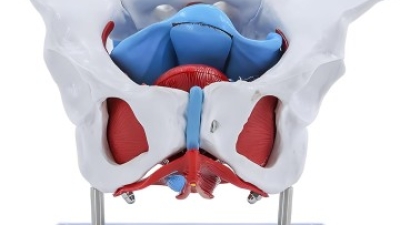
Exploring the Human Anatomical Female Pelvic Genital Organ Model: A Comprehensive Guide to Understanding Female Anatomy
Exploring the Human Anatomical Female Pelvic Genital Organ Model provides a unique opportunity for deeper understanding of female anatomy. This comprehensive guide not only outlines the structures of the female pelvic region but also emphasizes their functions and significance in overall health. With an array of intricate details, from the ovaries and fallopian tubes to the uterus and vaginal canal, this model serves as an invaluable resource for both educational purposes and for those seeking to gain a clearer insight into their own bodies.
Utilizing a high-quality female pelvic Genital Organ Model enhances the learning experience by providing a 3D visual representation of anatomy that textbooks alone cannot convey. It's ideal for educational institutions, healthcare professionals, or anyone interested in women’s health. The model typically comes equipped with removable parts that allow for a hands-on approach to exploring the anatomy, making complex concepts more accessible and engaging. Furthermore, accompanying educational material can provide context, clarifying how these organs function within the broader spectrum of female reproductive health.
By integrating such models into educational settings or personal exploration, individuals can foster a greater awareness of the female anatomy, paving the way for improved health literacy. Understanding the anatomy of the female pelvic region is crucial not only for medical professionals but also for women themselves, as it empowers them to make informed decisions regarding their health and wellbeing.
FAQS
: Understanding human anatomy helps fitness enthusiasts optimize their workout routines by allowing them to tailor their training programs to target specific areas, enhancing performance, and reducing injury risk.
Anatomy knowledge aids in recognizing how body systems interact, emphasizing the importance of proper hydration, rest, and nutrient intake, particularly protein for muscle repair post-workout.
Understanding Joint Mechanics is crucial for preventing injuries, as improper mechanics can contribute to a high percentage of sports injuries. Strengthening ligaments and surrounding muscles can significantly reduce risk.
Maintaining sufficient flexibility in joints, such as the hips, knees, and shoulders, is vital for improved performance and injury prevention. Dynamic stretching and mobility exercises enhance this flexibility.
No, this is a myth. Muscle tissue and fat are distinct; muscle can atrophy with disuse, but it does not transform into fat. Maintaining a balanced diet is more relevant in preventing weight gain.
No, spot reduction is a myth. Fat loss occurs throughout the body based on genetics and overall caloric expenditure, not just by performing exercises for specific muscles.
By embracing anatomy knowledge, fitness enthusiasts can make informed decisions about their workouts, enhance their connection to their bodies, and adopt holistic health practices for long-term wellbeing.
Myths include the idea that muscle turns into fat and that spot reduction can occur. Understanding the truth behind these myths can empower individuals to make better health decisions.
Individuals can incorporate targeted strength training programs focusing on joint stability, along with dynamic stretching and mobility exercises, to protect their joint health during workouts.
An anatomical approach encourages considerations of posture and flexibility as integral to overall health, fostering sustainable and effective health journeys for fitness enthusiasts.
Conclusion
Getting a good grip on human anatomy really matters, especially if you're into fitness and want to boost your health and performance. When you understand the main body systems, focus on key muscle groups, and get a feel for how joints work, you can make your workouts way more effective—and also steer clear of injuries. Oh, and don’t forget—know-how about nutrition and how it helps muscles recover is a game-changer for muscle growth and feeling good overall. Basically, having this knowledge lets fitness fans like you make smarter choices and also helps clear up some of those common myths about human anatomy. All in all, it’s about giving you the tools to succeed and stay healthy.
Here at Henan Qianyue Teaching Instrument and Equipment Co., Ltd., we totally get the importance of having good educational resources that make understanding anatomy easier and more interesting. Our top-notch Medical Equipment and educational models are designed to help people learn better and gain real insights into health—because we’re all about pushing innovation in the medical industry and helping folks achieve their health goals.