- War wound model
- Suture Pad and kits
- Skeleton models
- Plant Models
- Other Medical products
- Nursing Training Models
- Molecular structure model
- Hospital furniture and Equipment
- General Teaching Models
- Dental Models
- CPR manikin model
- Beauty Models
- Animal Models
- Anatomy and Human torso models
- Acupuncture Model




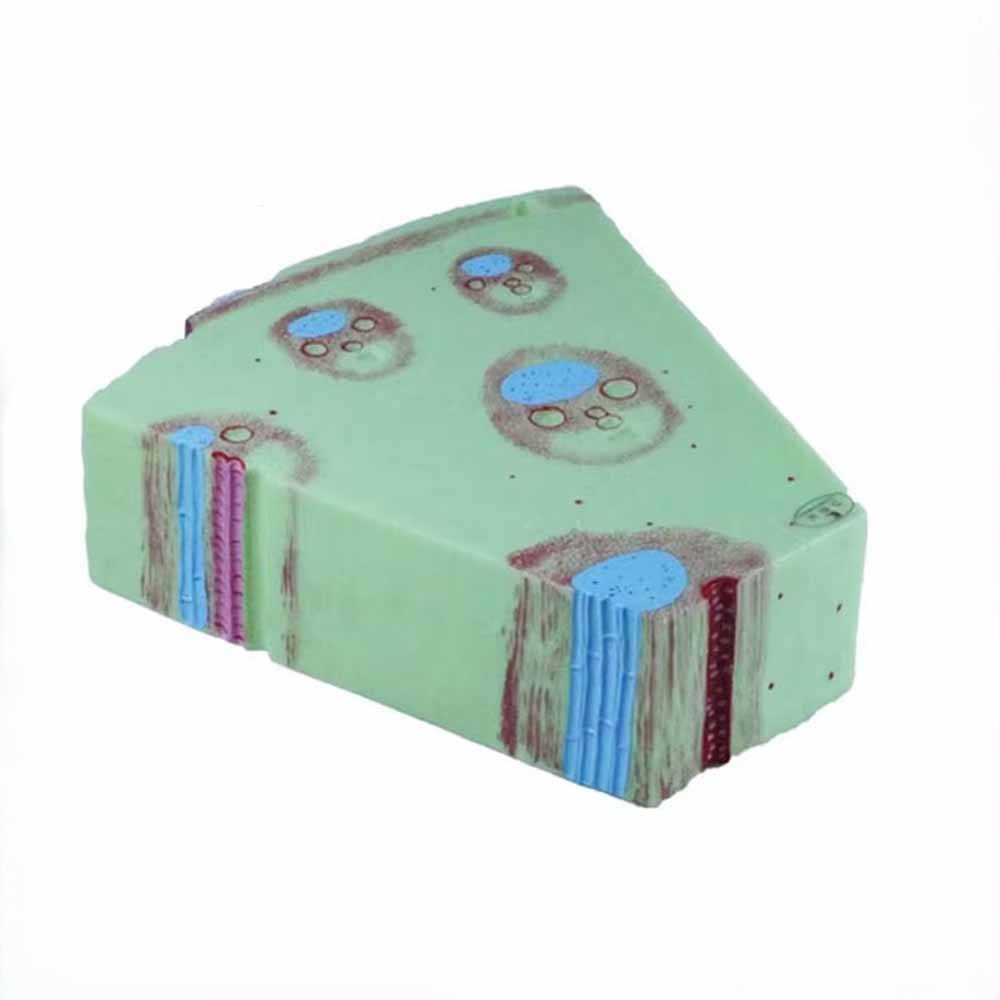
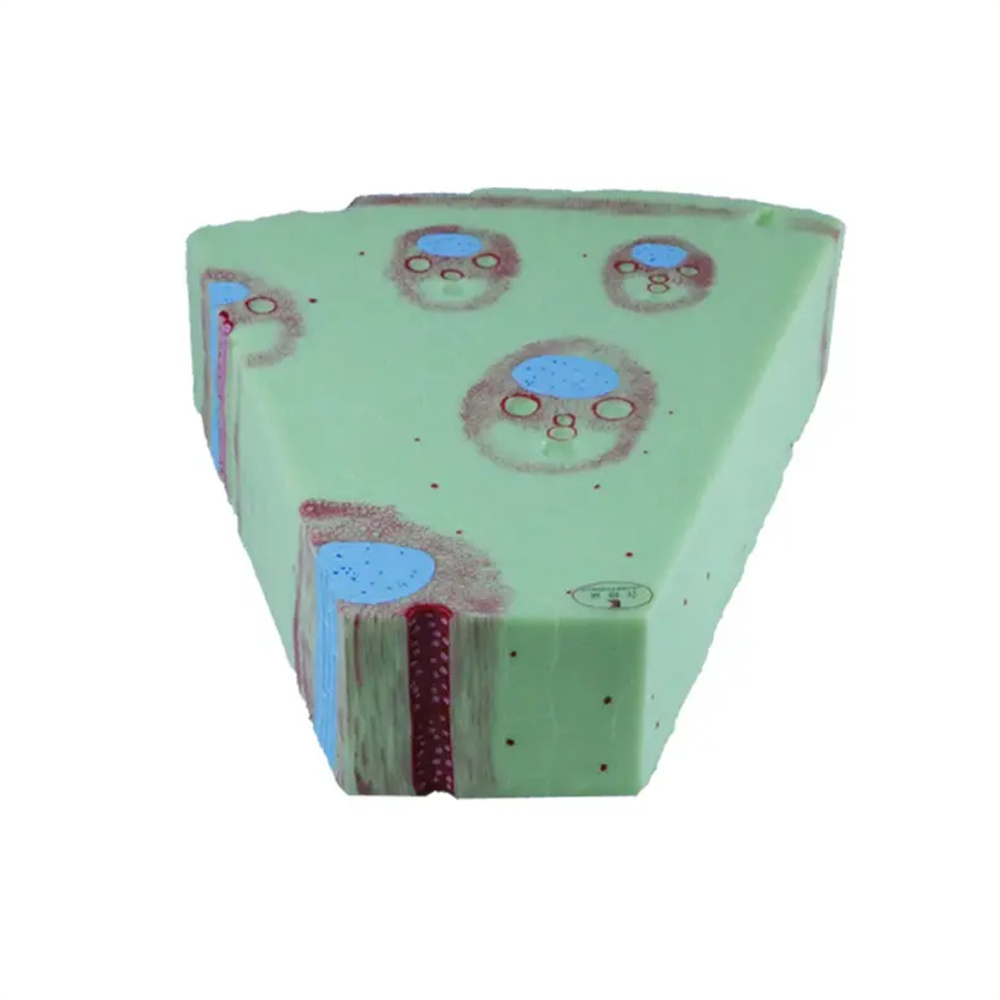
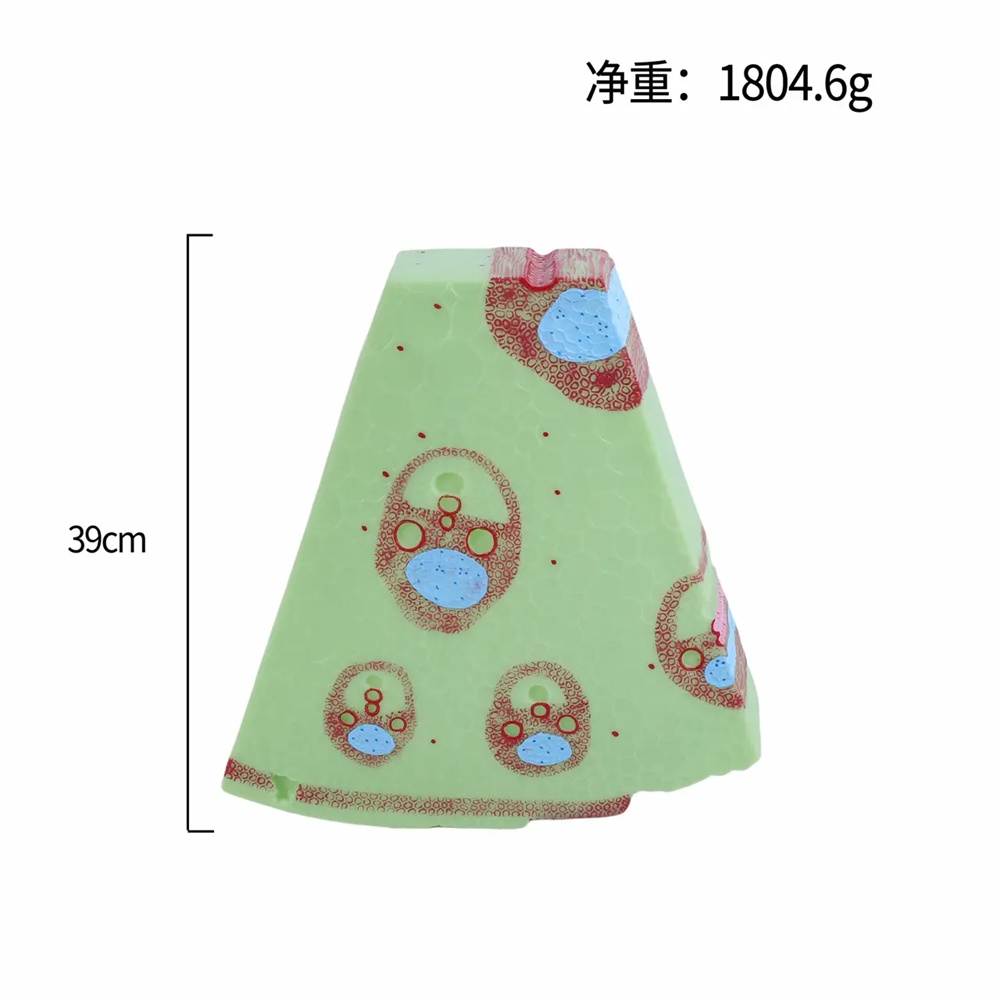
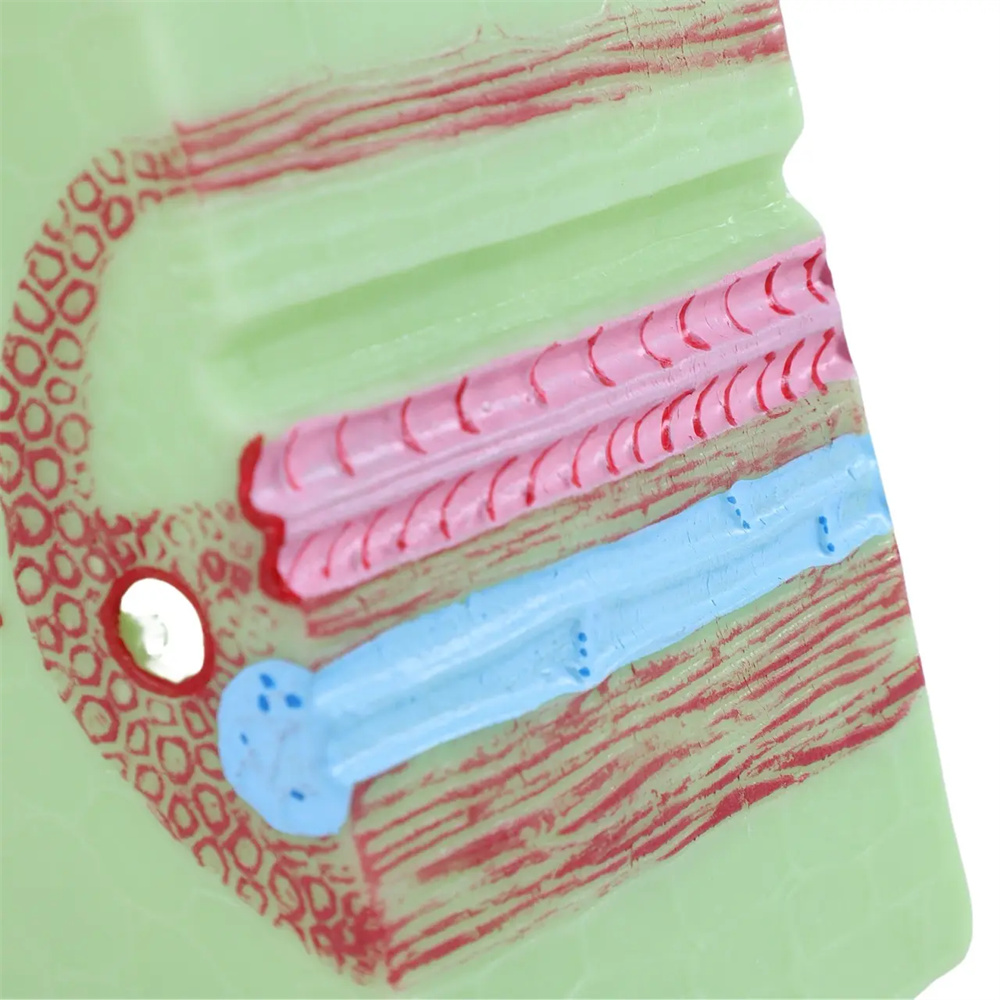
Monocotyledon Plant Stem Model Biology Teaching Instrument with High Quality Environmental Friendly PVC Material
- Use of the model.
This model is suitable for secondary school biology teaching, teaching the construction of monocotyledonous plant stems when the use of visual aids.
Structure of the model.
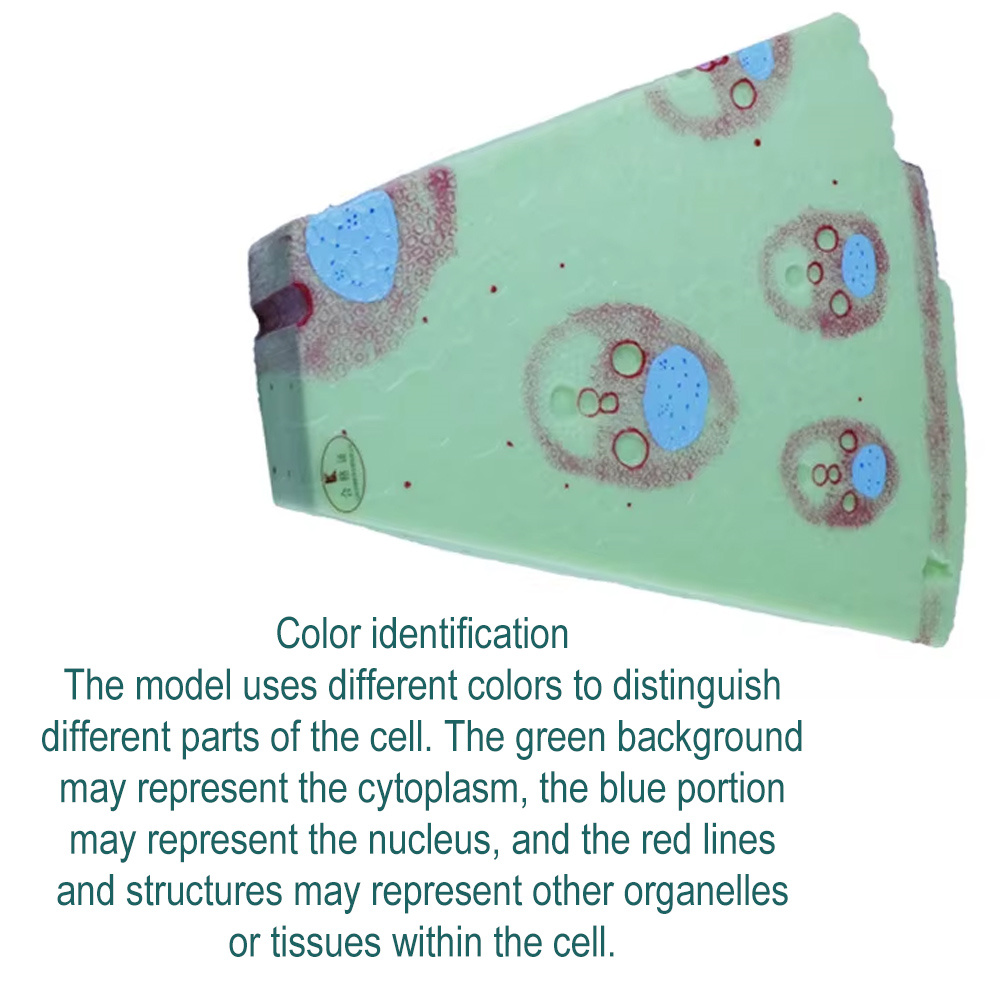
1, the model is taken from corn stems, the model for cross-section. Take 1/10 of the cross section and remove the central part.
2, show the epidermis, vascular bundles, basic tissues.
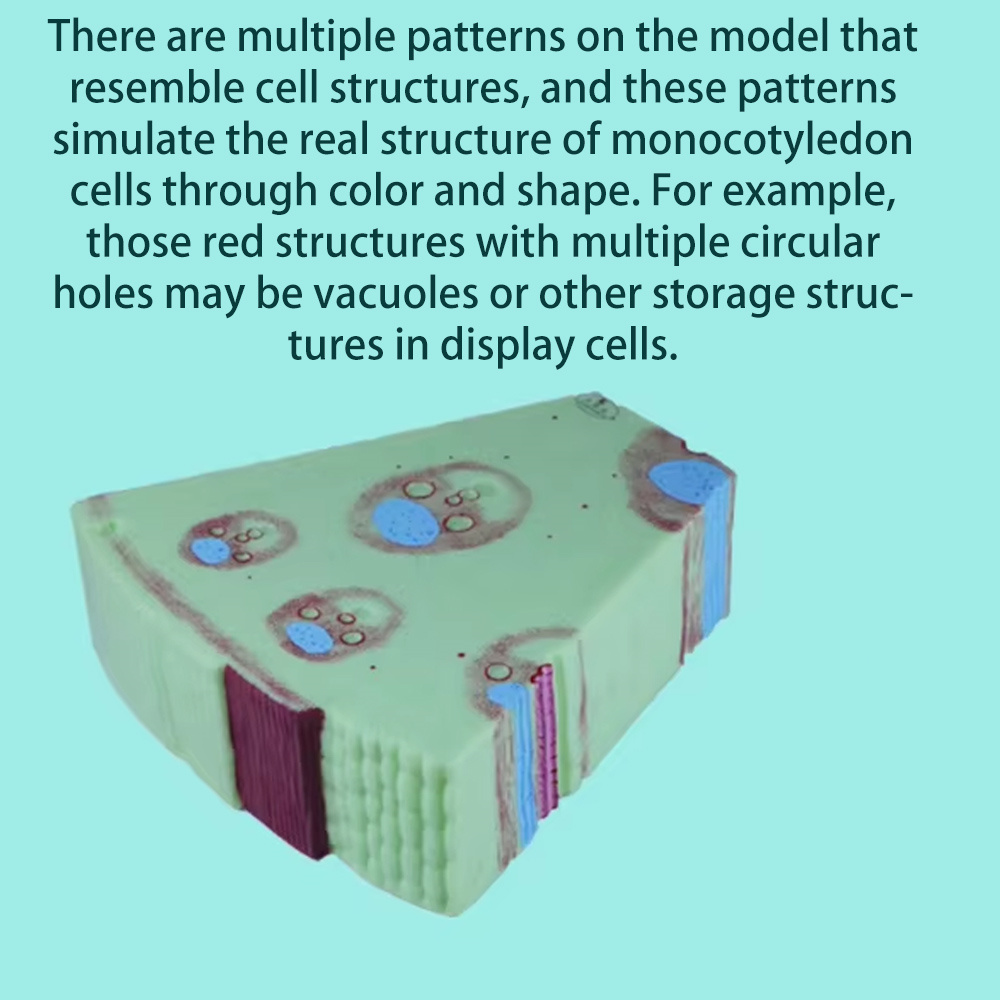
2.1 The epidermis shows the stomata, and the mechanical tissues composed of thick-walled cells are shown under the epidermis.
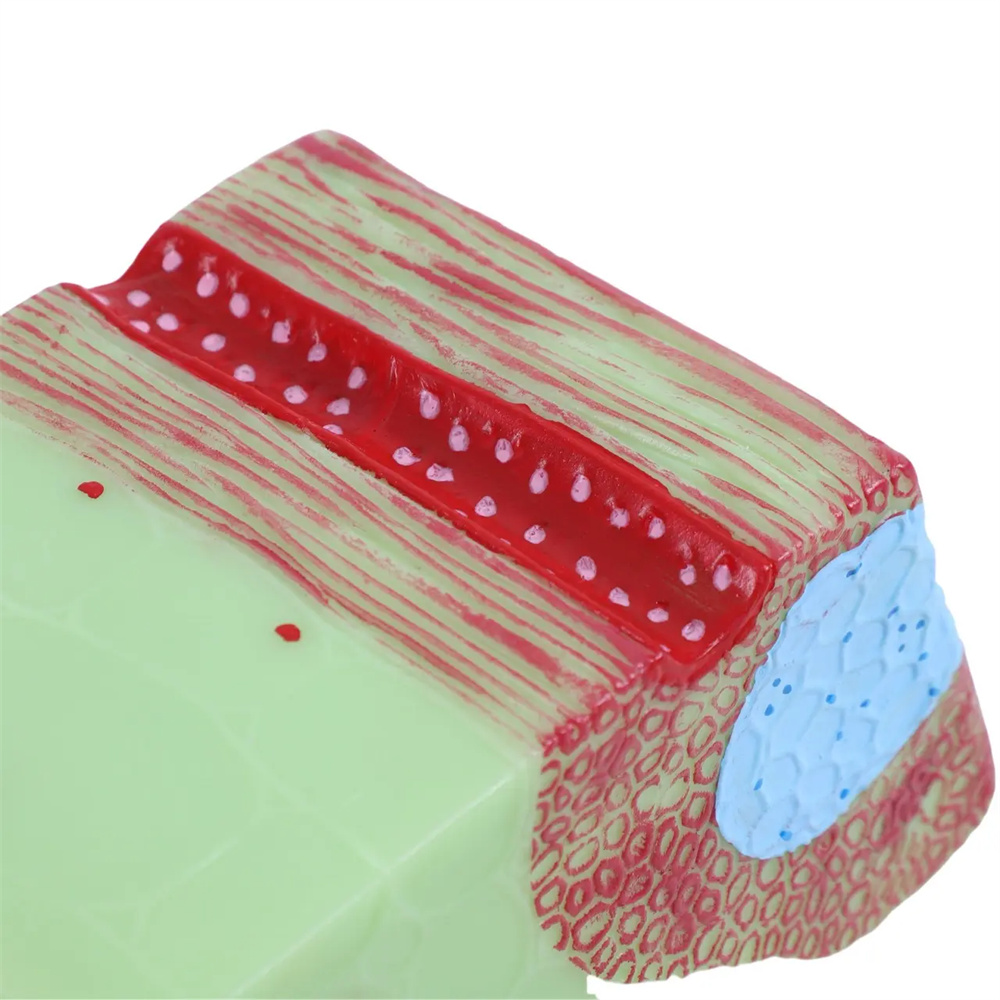
2.2 Vascular bundle showing vascular sheaths, primary phloem, companion cells and sieve tubes, perforated ducts, annuli, threaded ducts and intercellular tracts.
2.3 Specimen tissue showing thin-walled cells and intercellular spaces.
3.3 In longitudinal section show annulus, spiro-sieve, pore-textured ducts and sieve tubes, sieve tubes and structures show thick-walled, thin-walled and other structures of various types of cells.
Structural characteristics of stems of monocotyledonous plants:
(1) The stems of monocotyledon plants generally have no cambium and cork cambium, and only have primary structures throughout life, which cannot be thickened indefinitely;
(2) The outermost layer of the stem of a monocotyledon plant is the epidermis, which consists of a series of epidermal cells and usually does not produce a peritroderm;
(3) There are basic parenchyma tissues and most vascular bundles scattered within the epidermis, so there is no division of cortex, pulp and pulp rays.
Color identification
The model uses different colors to distinguish different parts of the cell. The green background may represent the cytoplasm, the blue portion may represent the nucleus, and the red lines and structures may represent other organelles or tissues within the cell.
Structure display
There are multiple patterns on the model that resemble cell structures, and these patterns simulate the real structure of monocotyledon cells through color and shape. For example, those red structures with multiple circular holes may be vacuoles or other storage structures in display cells.
use
This model is mainly used in biology teaching. In the classroom, teachers can use this model to intuitively explain the structure and function of monocotyledon cells to students. It can help students better understand the abstract cellular knowledge, through the combination of vision and touch, deepen the memory and mastery of biological knowledge.
Product Name:Monocotyledon stem model
Size:14*40.5*39cm
Material:PVC
Package:50*42*42cm,4pcs