
- Skeleton models
- Anatomy and Human torso models
- Nursing Training Models
- CPR manikin model
- Suture Pad and kits
- Dental Models
- Beauty Models
- War wound model
- Acupuncture Model
- Animal Models
- Plant Models
- Molecular structure model
- General Teaching Models
- Hospital furniture and Equipment
- Other Medical products
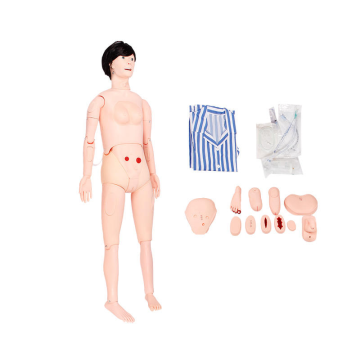
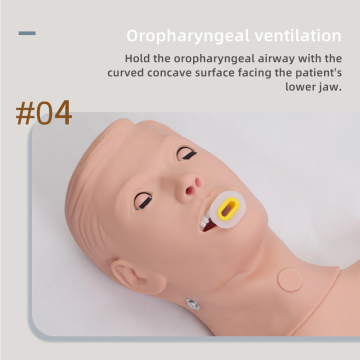
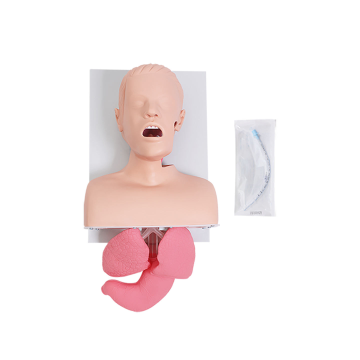

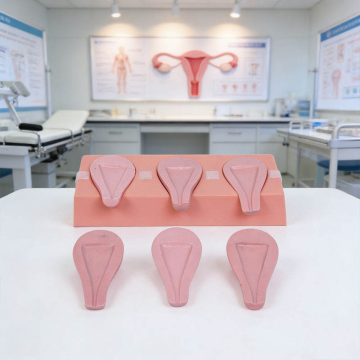
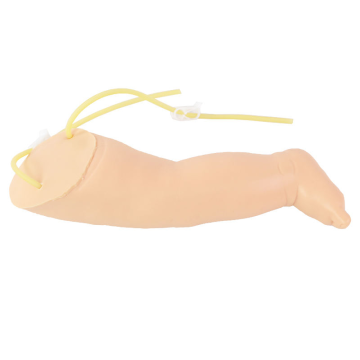
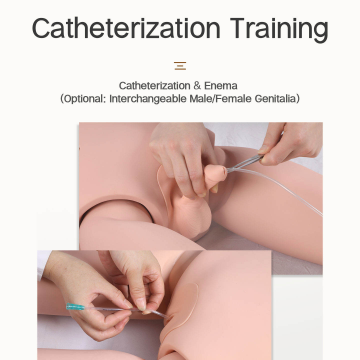
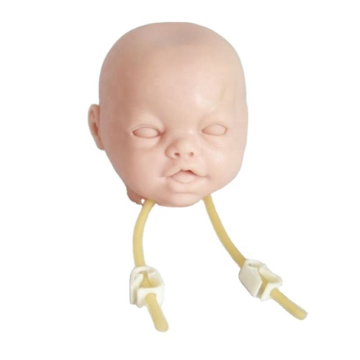
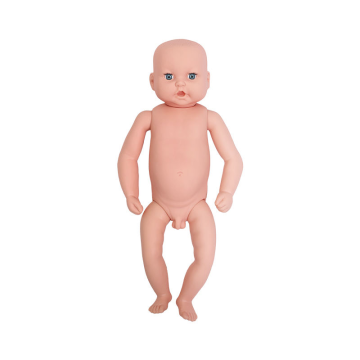
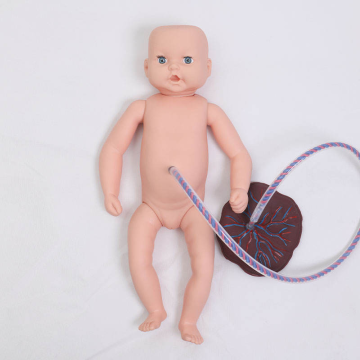
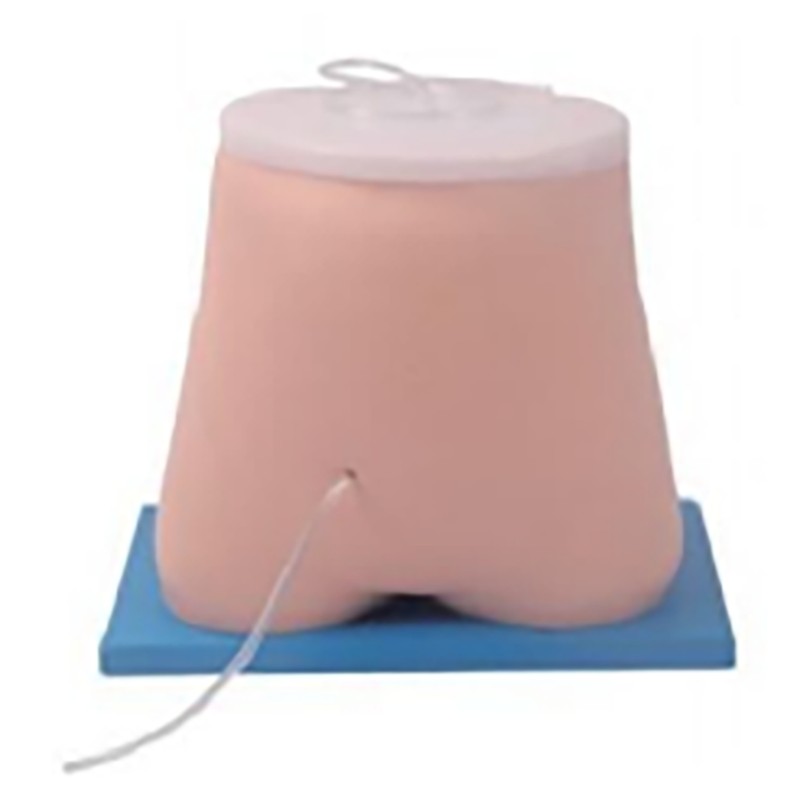
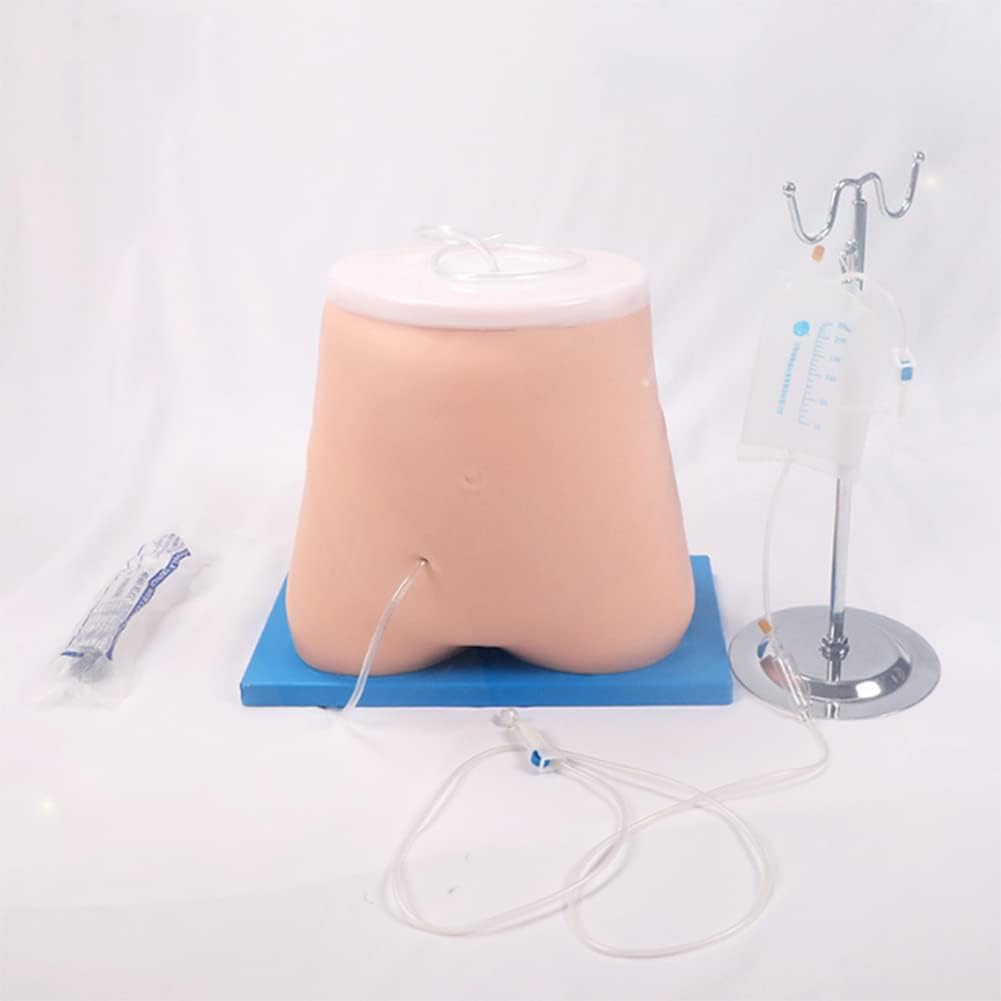
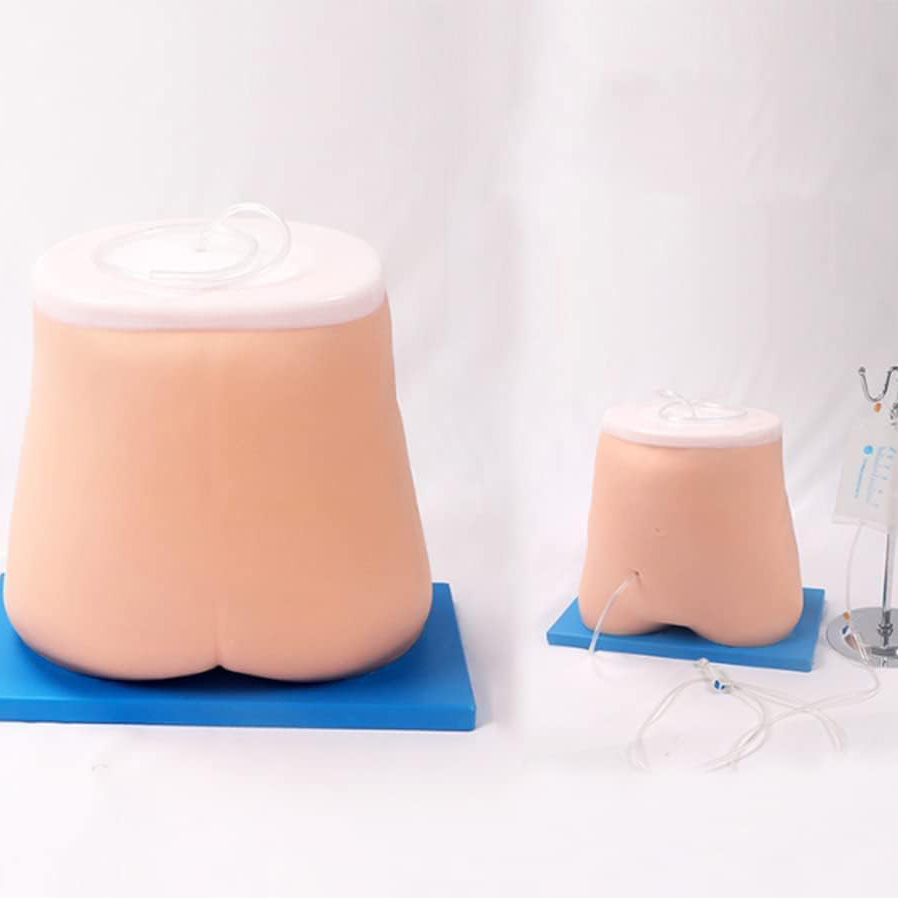
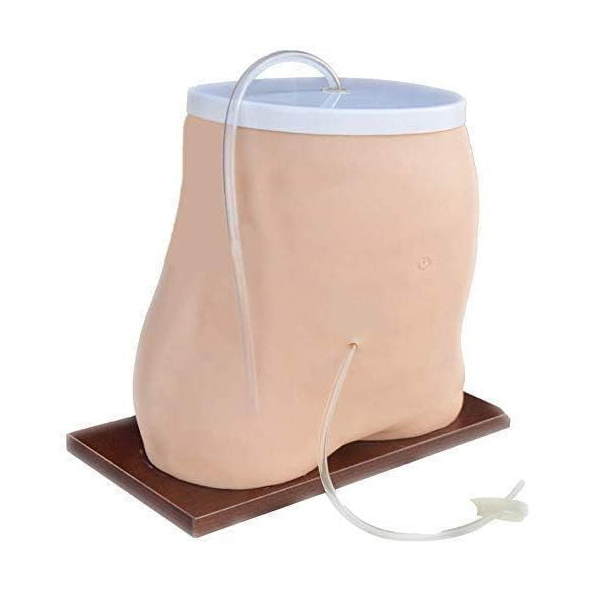
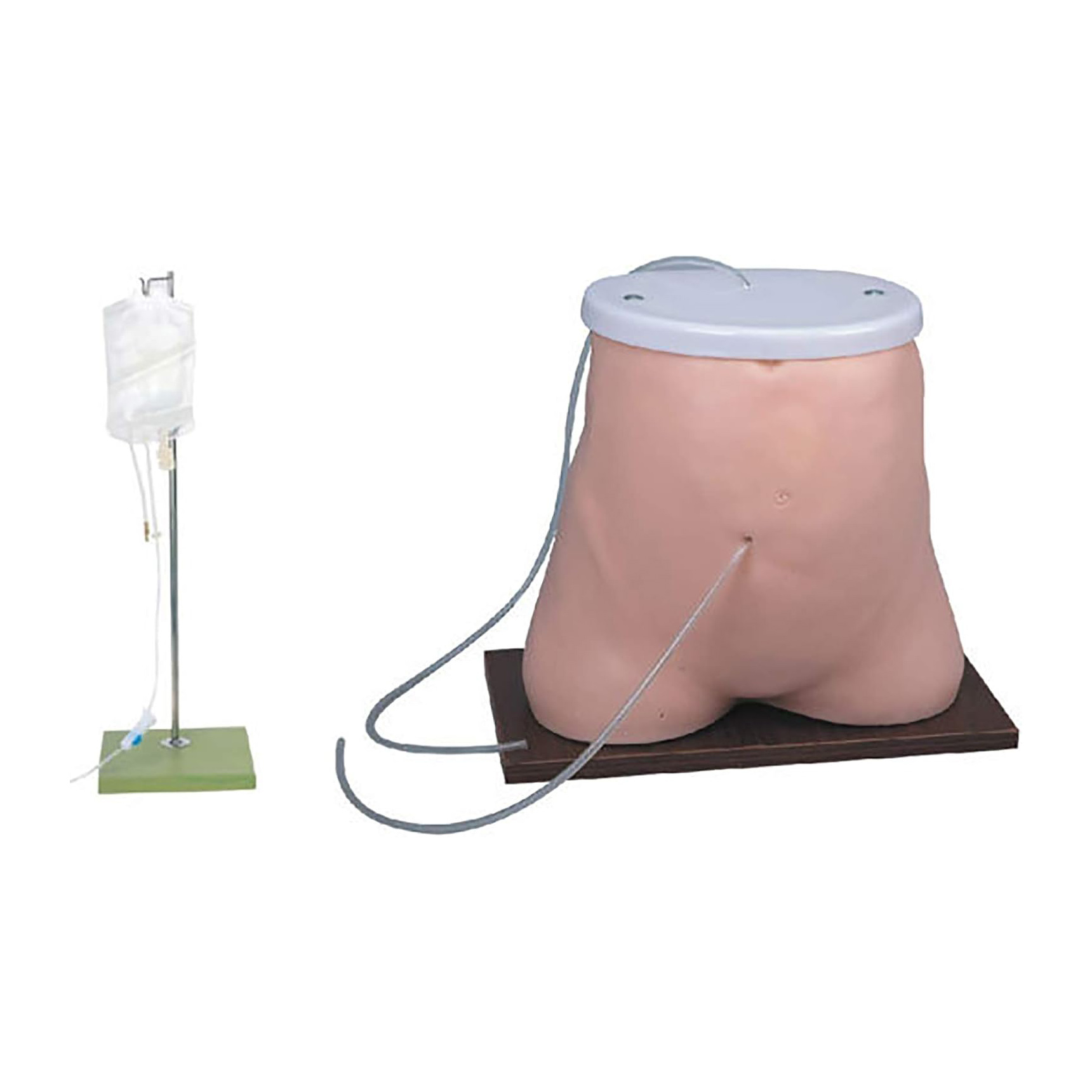
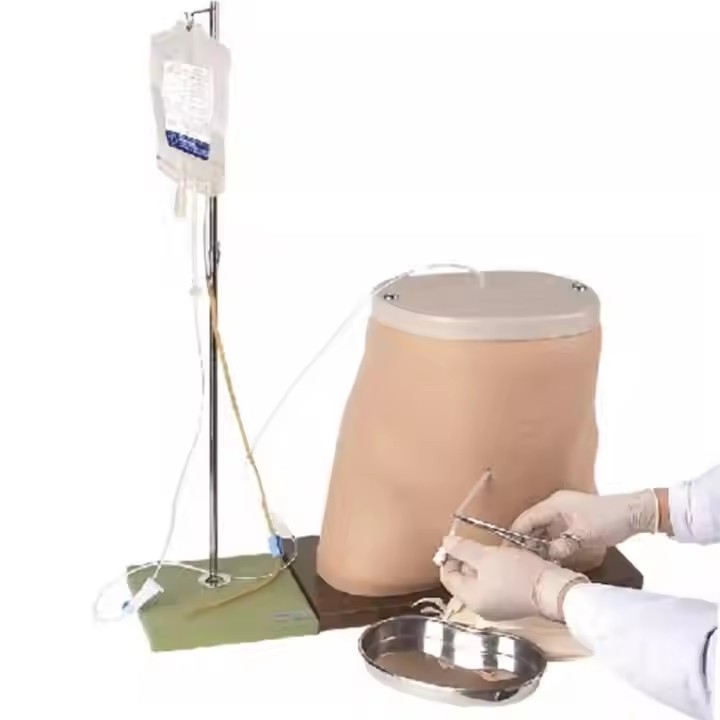
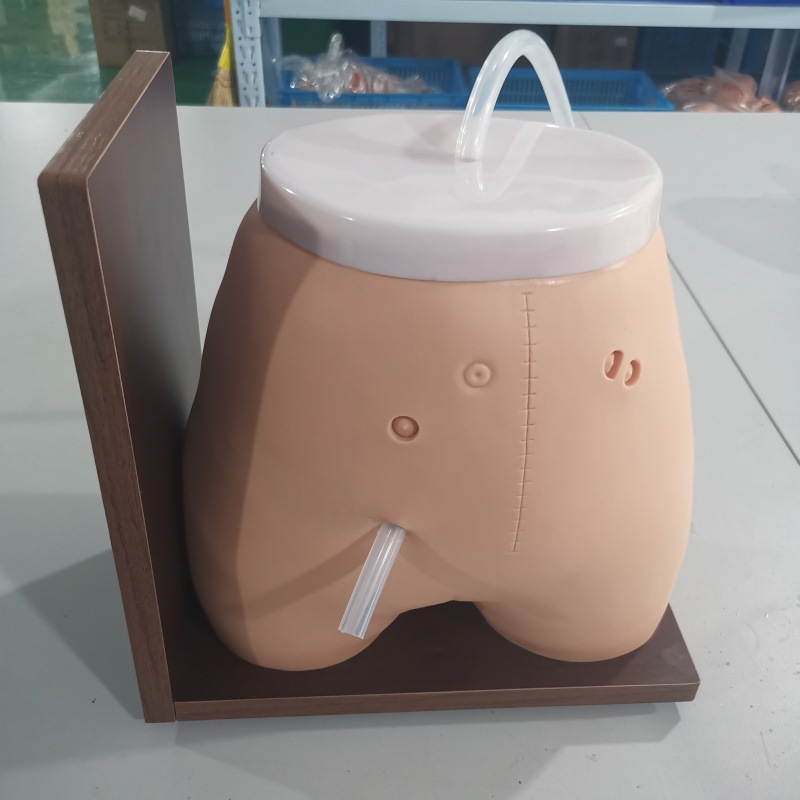
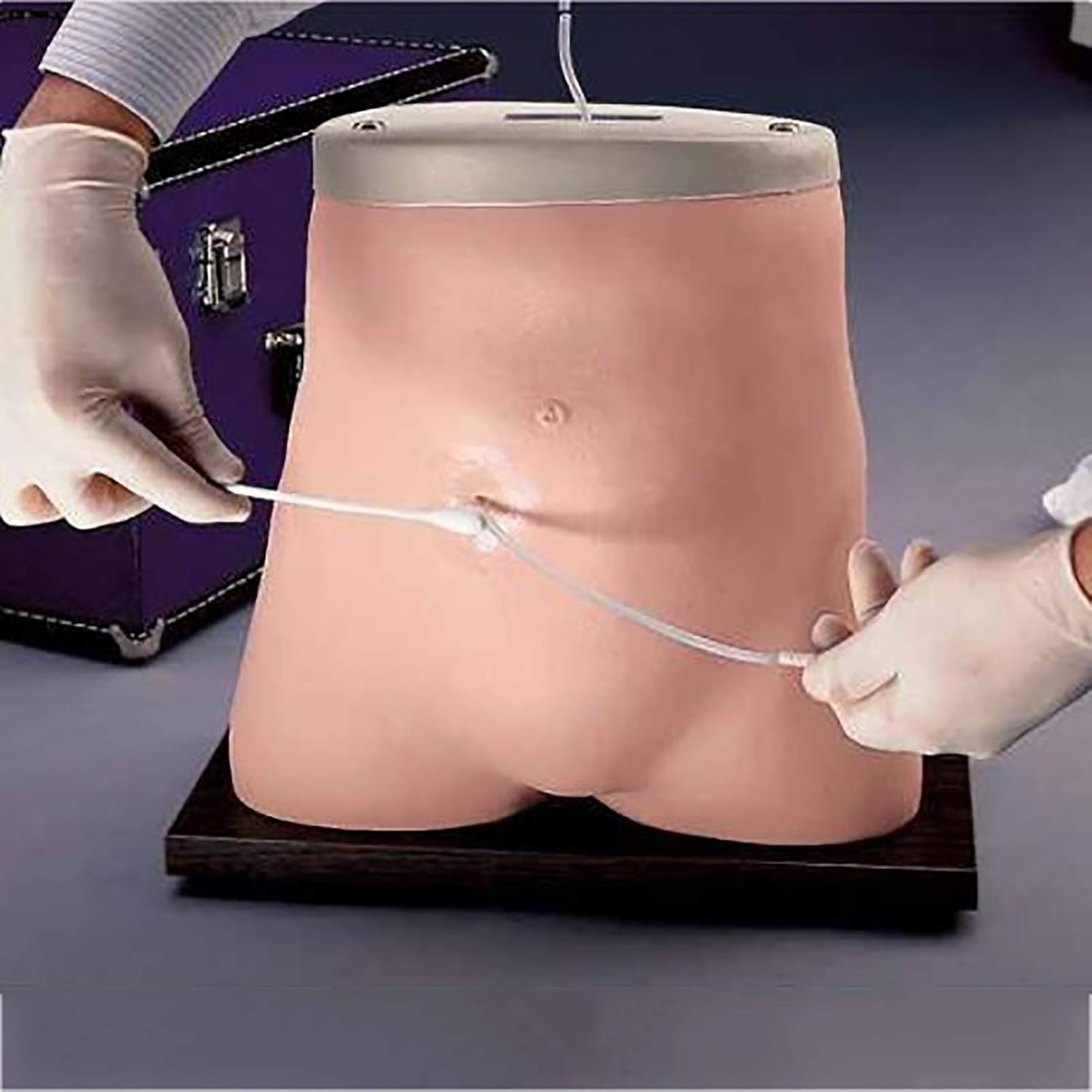
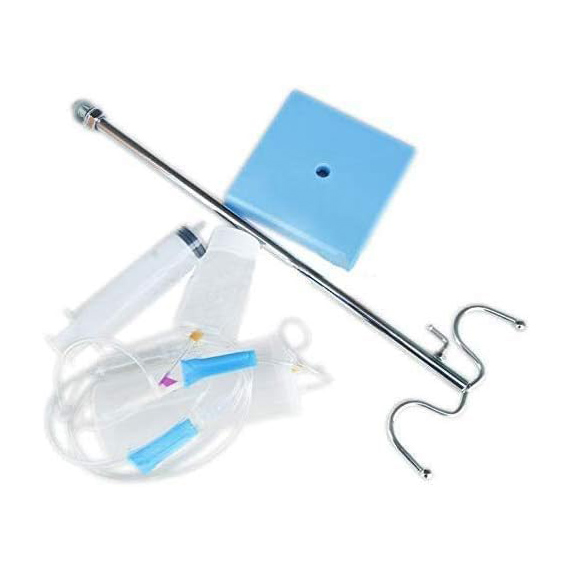
Peritoneal dialysis anatomical model for medical school education
Key Features
1.Targeted Training for Healthcare Professionals: Designed specifically for healthcare providers performing peritoneal dialysis operations, this drill model ensures that learners gain practical knowledge and skills required to execute these procedures with precision and confidence. It replicates real-life scenarios, enabling trainees to simulate and practice various aspects of peritoneal dialysis in a controlled environment.
2.Realistic Simulation of Fluid Dynamics: One of the standout features of this model is its ability to simulate the location of a standard fistula with fluid outflow. This functionality allows learners to practice inserting catheters, managing fluid exchange, and monitoring potential complications—all while receiving immediate feedback on their technique. The realistic simulation fosters a deeper understanding of the mechanics involved in peritoneal dialysis.
3.Compact and Durable Design: Packaged in a manageable size of 48cm x 31cm x 46cm and weighing 5kgs, this model is both portable and durable. Its sturdy construction ensures longevity, making it suitable for repeated use in classrooms, training centers, and clinical settings. The model's design prioritizes ease of handling, ensuring that learners can focus on mastering the procedure without logistical concerns.
4.Enhanced Learning Experience: By combining tactile feedback with visual cues, this anatomical model provides a comprehensive learning experience. Learners not only develop technical proficiency but also enhance their problem-solving abilities and critical thinking skills. The model's versatility makes it ideal for group training sessions, individual practice, and demonstration purposes.
This advanced anatomical model bridges the gap between theoretical knowledge and practical application, empowering learners to master the complexities of peritoneal dialysis safely and effectively. Whether used in medical schools, hospitals, or specialized training programs, this resource plays a pivotal role in shaping competent and confident healthcare professionals. Through its innovative design and realistic simulations, the Medical Science Peritoneal Dialysis Anatomical Model sets a new standard for medical education and training.
description2