
- War wound model
- Suture Pad and kits
- Skeleton models
- Plant Models
- Other Medical products
- Nursing Training Models
- Molecular structure model
- Hospital furniture and Equipment
- General Teaching Models
- Dental Models
- CPR manikin model
- Beauty Models
- Animal Models
- Anatomy and Human torso models
- Acupuncture Model
0102030405
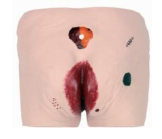
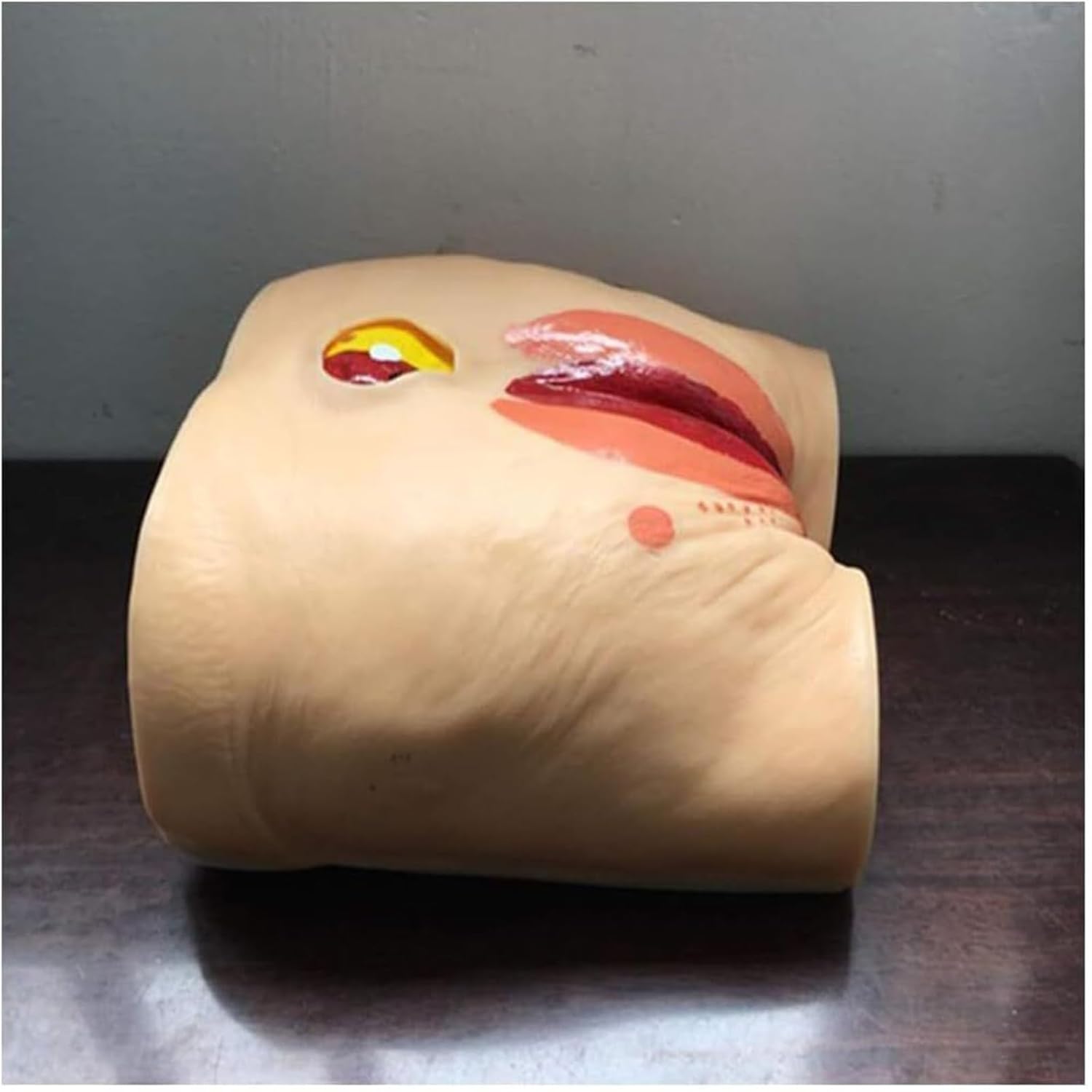
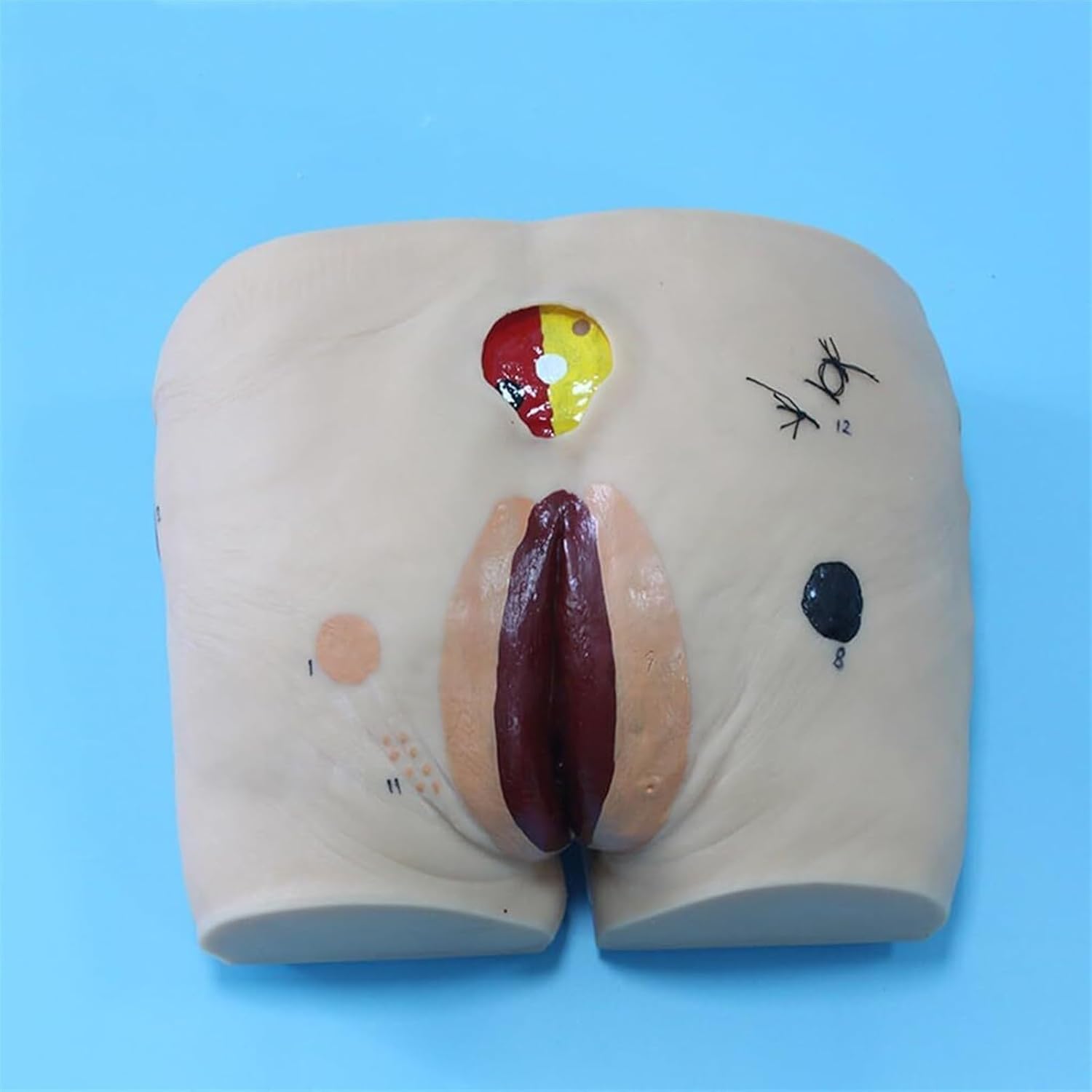
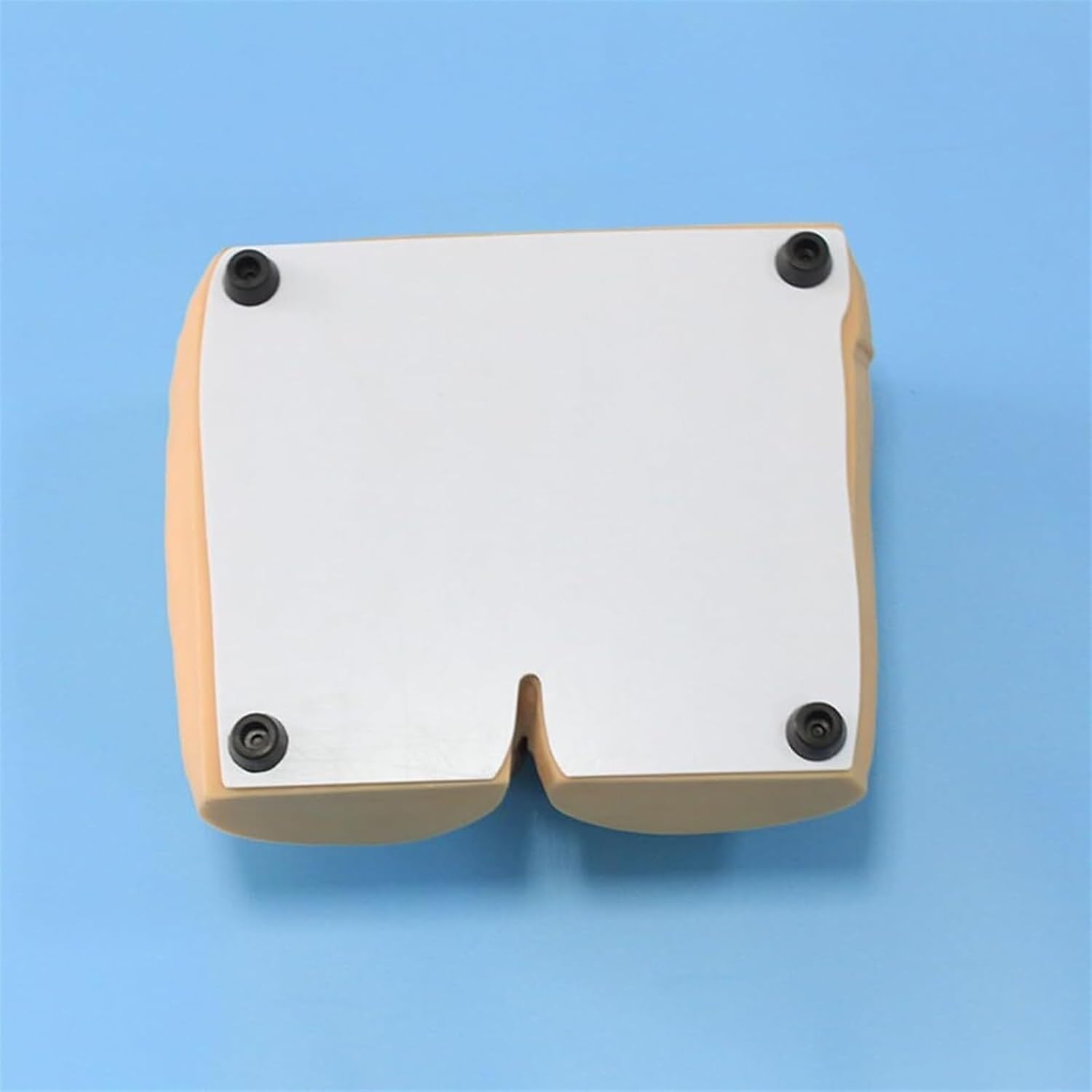
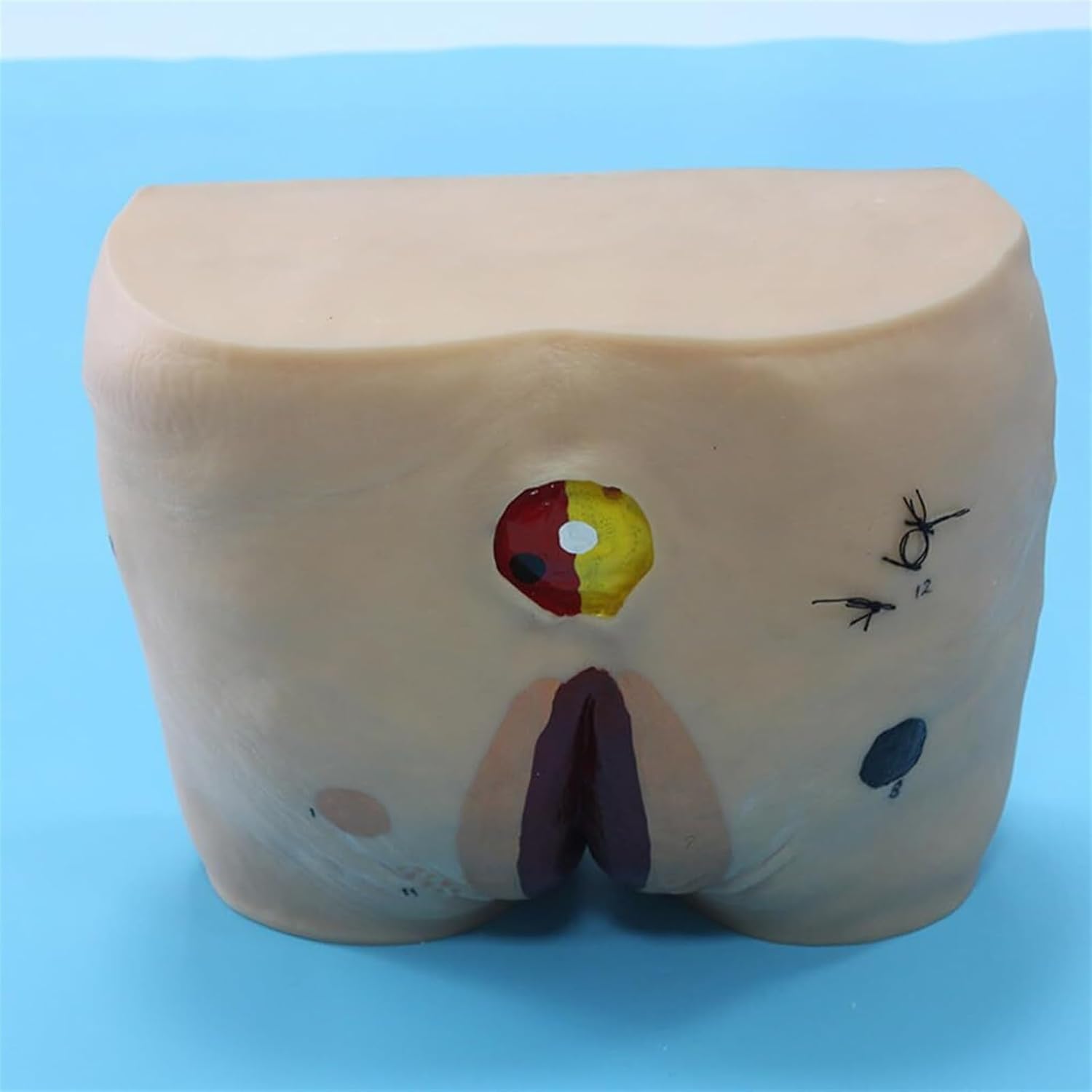
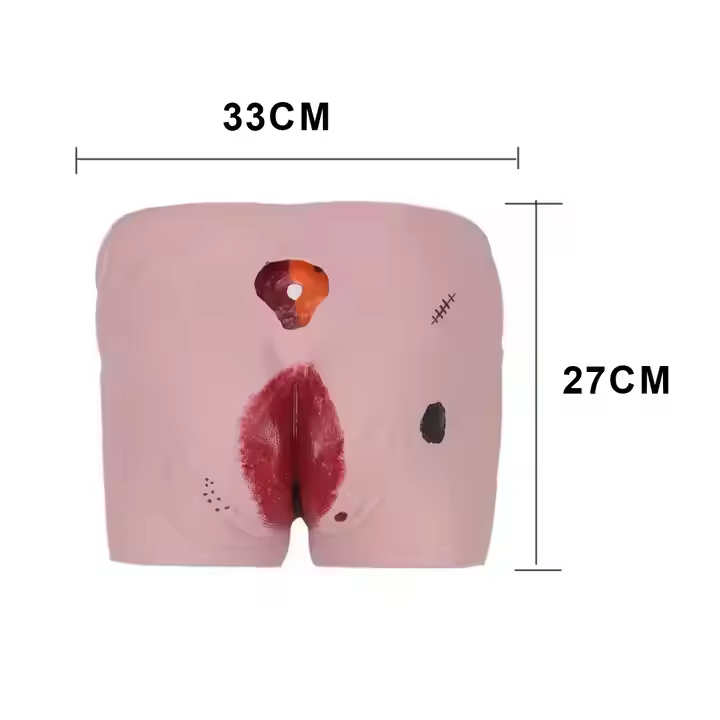
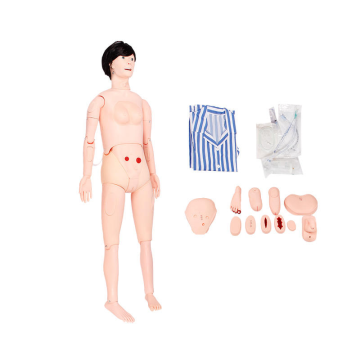
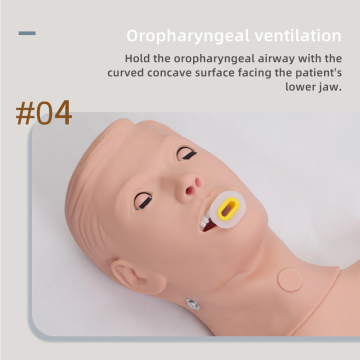
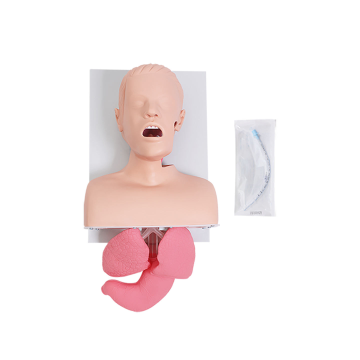
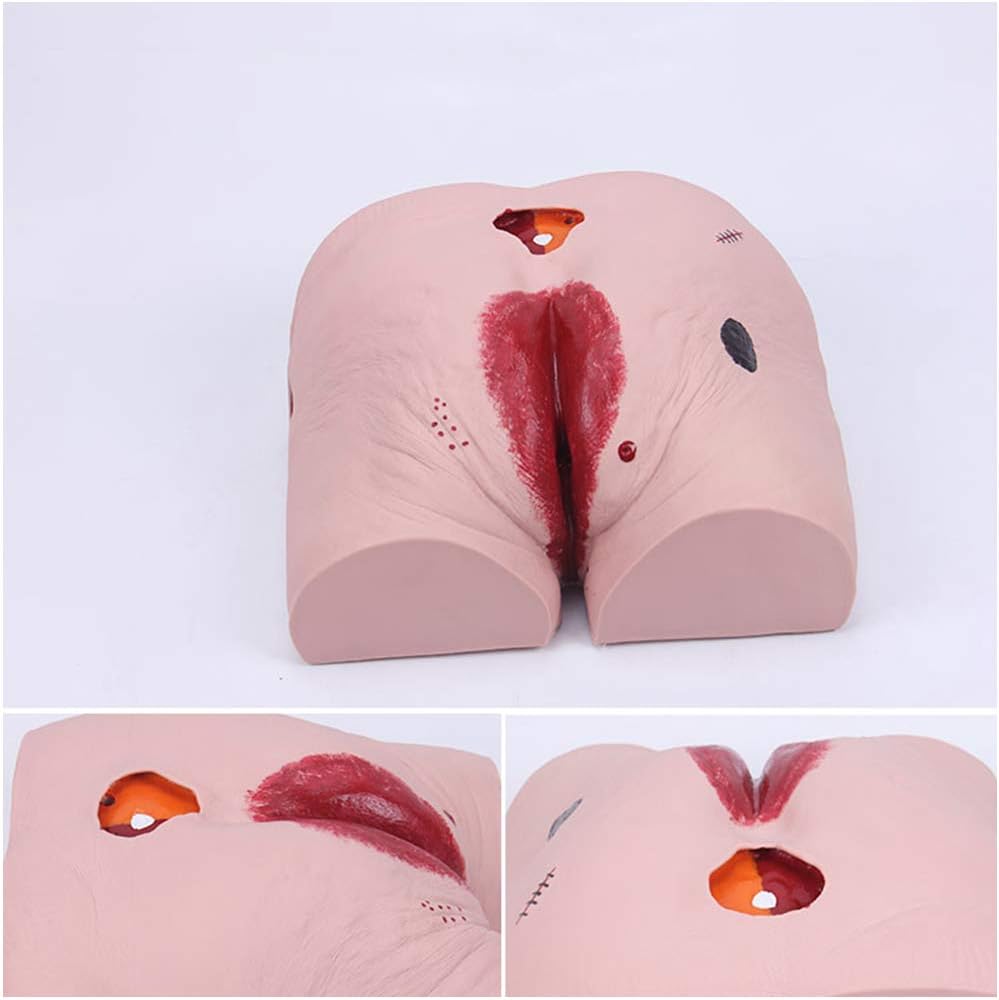
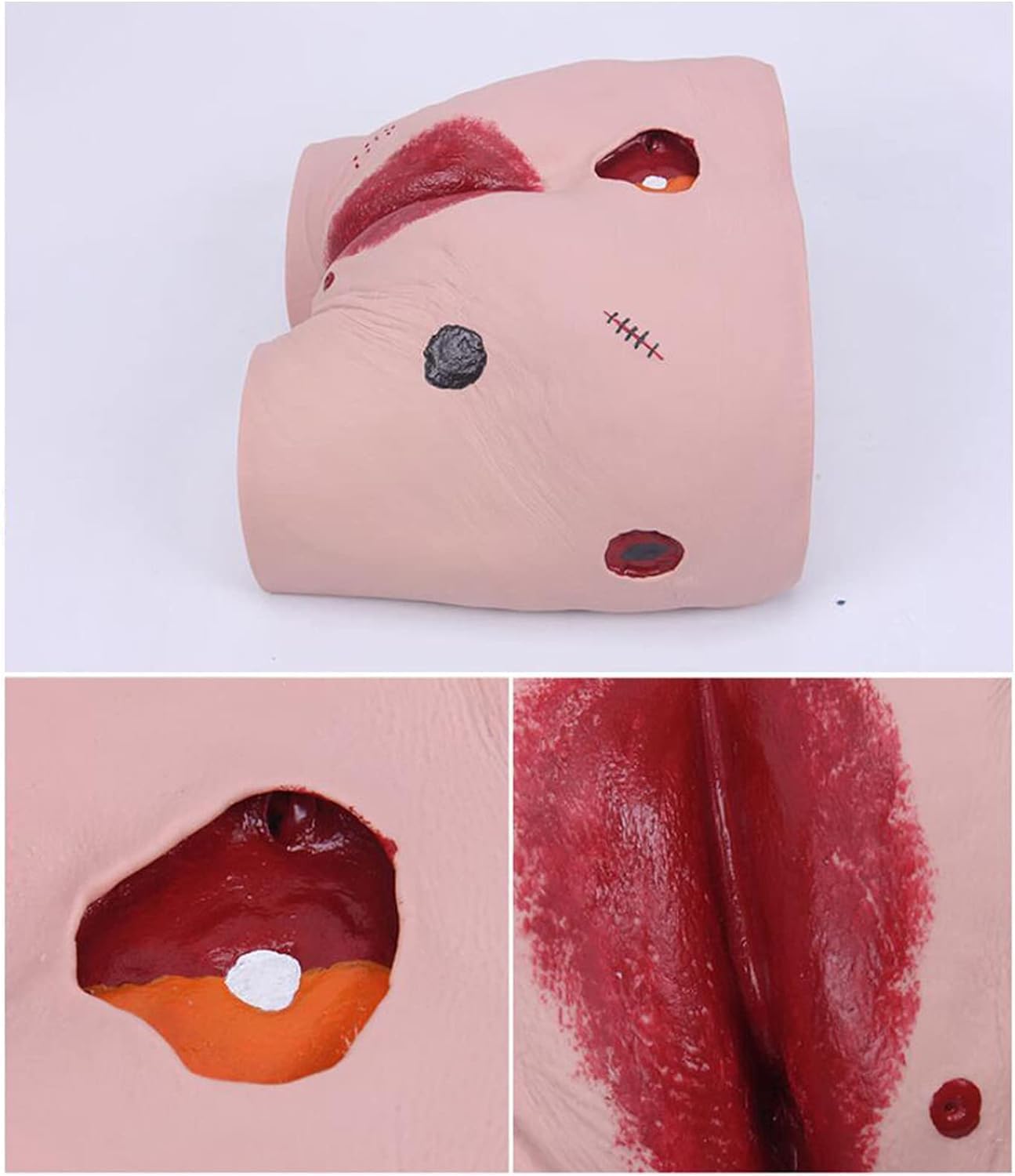
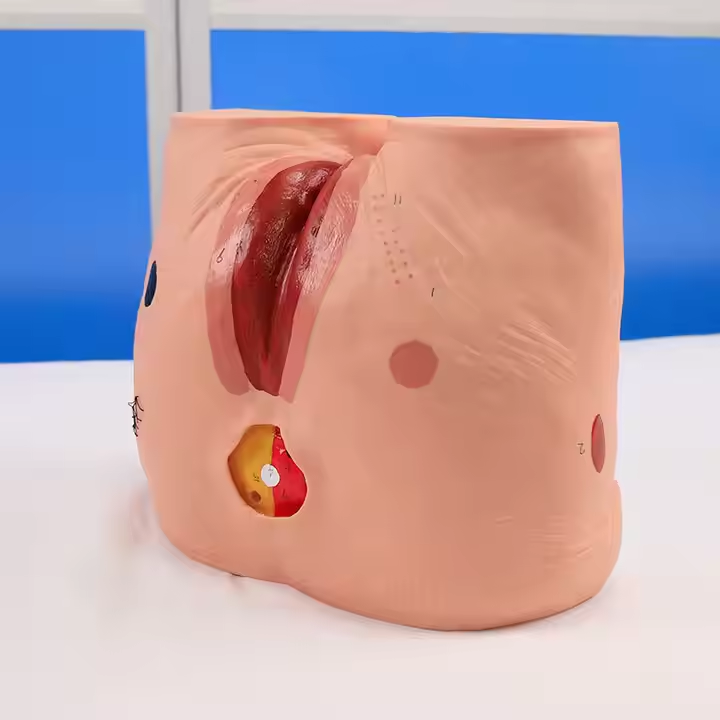
Pressure ulcer wound care model for nursing practice
Product Details
Key Features:
- Realistic Representation: Modeled after middle-aged and elderly individuals, this anatomical model features lifelike skin texture and appearance, allowing learners to simulate real-world nursing scenarios accurately. The detailed design ensures that users can practice fundamental nursing techniques required for pressure ulcer care with precision.
- Comprehensive Stages of Decubitus Ulcers: The model showcases all four stages of pressure ulcers, providing trainees with a clear understanding of the progression and severity of bedsores. This comprehensive representation allows learners to identify and assess wounds at different stages, improving their diagnostic skills.
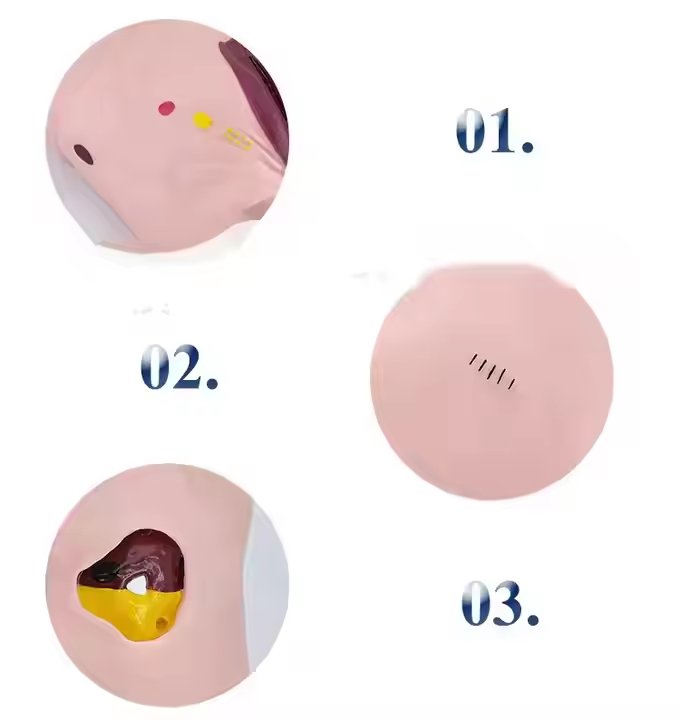
- Detailed Wound Types: The model includes intricate representations of various types of bedsores, such as sinuses, fistulas, putrefactive scabs, infected wounds, exposed bone, burnt scabs, stitched wounds, herpes infections, and candida infections. These detailed depictions enable trainees to practice advanced wound care techniques, including cleaning, categorizing, assessing, and measuring wounds.
- Practical Applications: Trainees can use this model to practice essential wound care procedures, such as cleansing wounds, categorizing them based on severity, assessing the stages of healing, and measuring the length and depth of wounds. This hands-on experience enhances their ability to provide effective and compassionate care to patients suffering from pressure ulcers.
Product Specifications:
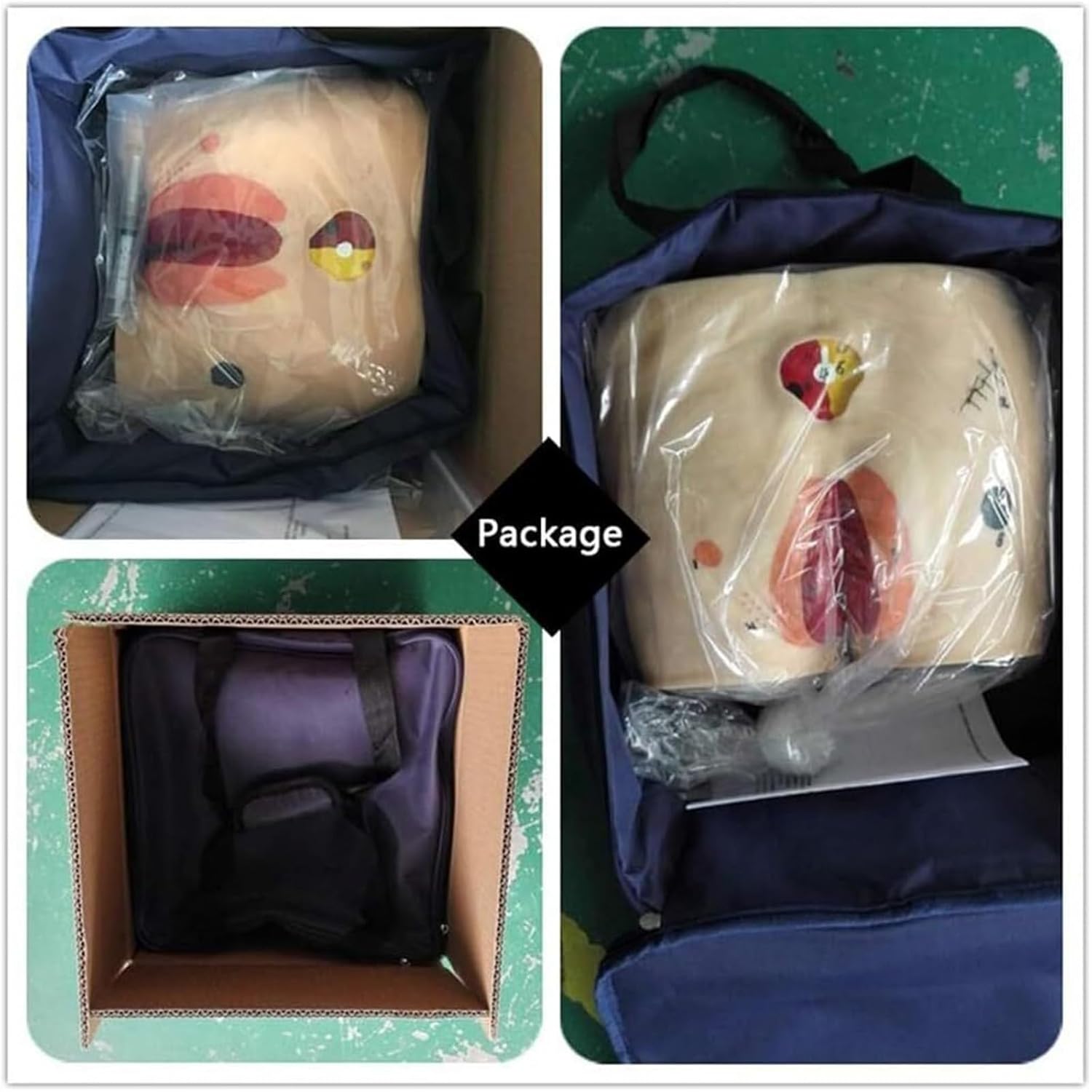
- Dimensions: 38cm x 37cm x 19cm
- Weight: 5kgs
This anatomical practice model is an invaluable resource for medical schools, nursing programs, and healthcare institutions. By offering a realistic and versatile platform for learning, it equips trainees with the knowledge and skills necessary to address one of the most common challenges faced by caregivers—pressure ulcer management. Its durability and attention to detail make it a reliable tool for both classroom instruction and practical application in clinical settings. Whether used for education or professional development, this model ensures that learners are well-prepared to handle the complexities of wound care in real-life situations.