China Top Arm Puncture Model Manufacturers and Suppliers
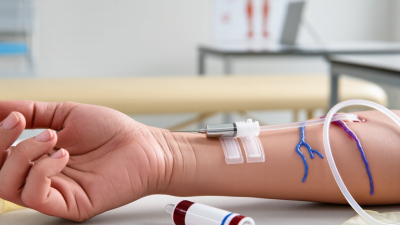
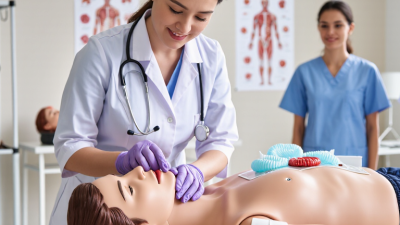
So, an Arm Puncture Model is basically a training tool that lets you practice finding veins, adjusting your needle angle, and even handling fake blood collection — over and over again, which is super handy. In a classroom, you really see its worth: students get to feel the skin's resistance, watch a vein fill up, and run through the whole process without having to use a real patient. That said, not all models are created equal — the quality can vary quite a bit. Honestly, when you're checking out something like this, you really gotta look at a few key things – like how the needle accesses, whether the skin can be replaced, how durable the veins are, and of course, the cleaning instructions. Those deserve a good look. So, the WHO's State of the World's Nursing report from 2020 put the number of nurses worldwide at about 27.9 million back in 2018. But here's the thing – that number is just about the workforce, not the demand for training arms. I mean, there's no real public report that specifically breaks down the Arm Puncture Model market. And honestly, that distinction is pretty crucial. You know, when it comes to medical simulation, David Gaba—a researcher in the field—put it pretty well. He said simulation is 'a technique, not a technology, to replace or amplify real experiences with guided experiences.' That was back in 2004, in Anesthesiology. And honestly, his point still rings true: it's not about how flashy the equipment looks, but how well the practice mimics reality. So, when you're shopping around for manufacturers or suppliers in China, you've got to look past the glossy stuff. This guide breaks it down using practical things—like how the model's put together, whether you can swap out the puncture site, what accessories are included, if they'll customize stuff for you, the documentation you'll get, and what kind of after-sales support they offer. Before you even start comparing quotes, make sure you ask for the latest specs and grab some actual sample evidence. A polished photo? Honestly, that doesn't prove much. And here's the kicker—even their own product materials might have inconsistencies, so you really need to verify everything directly with them. Look, comparing specs is a good way to start, but honestly, you really can't beat trying it out yourself. When it comes to schools and skills labs, the arm puncture model you pick has to match what you're teaching, survive tons of practice sessions, and you should know exactly what you're in for when it comes to upkeep.
Read more »